

Global Pharma

Global Pharma supplies medical supplies to hospitals, laboratories, nursing home, clinic, home care service, medical professionals, retailer & pharmacies, government agencies, medical institution and private sector businesses.

thumb
Singapore

9 Yishun Industrial Street 1 #03-69 North Spring BizHub, Singapore 768163

Phone: (+65) 6214 353 / 8798 756

Indonesia

Jl. Bouraq Lio Baru Blok C1 No 33 Batusari, Batuceper, Tangerang 15121

Phone: (+62) 878 400 8586 / 5572 3781

By Rief

12th Sep, 2024

Watch the video

What Is a Urine Container?

A urine container is a small medical cup used to collect urine for testing. Most containers are made from medical-grade plastic such as polypropylene. This material is lightweight, durable, and resistant to chemicals. The cup usually has a tight screw-on lid to prevent leaks. Many containers also include clear measurement markings on the side.

The main purpose of a urine container is to keep the sample clean and uncontaminated. Accurate results depend on proper collection and storage. Doctors use urine tests to detect infections, monitor organ function, and screen for diseases. A simple urine sample can reveal early signs of diabetes or kidney problems. Because of this, the container plays an important role in diagnosis.
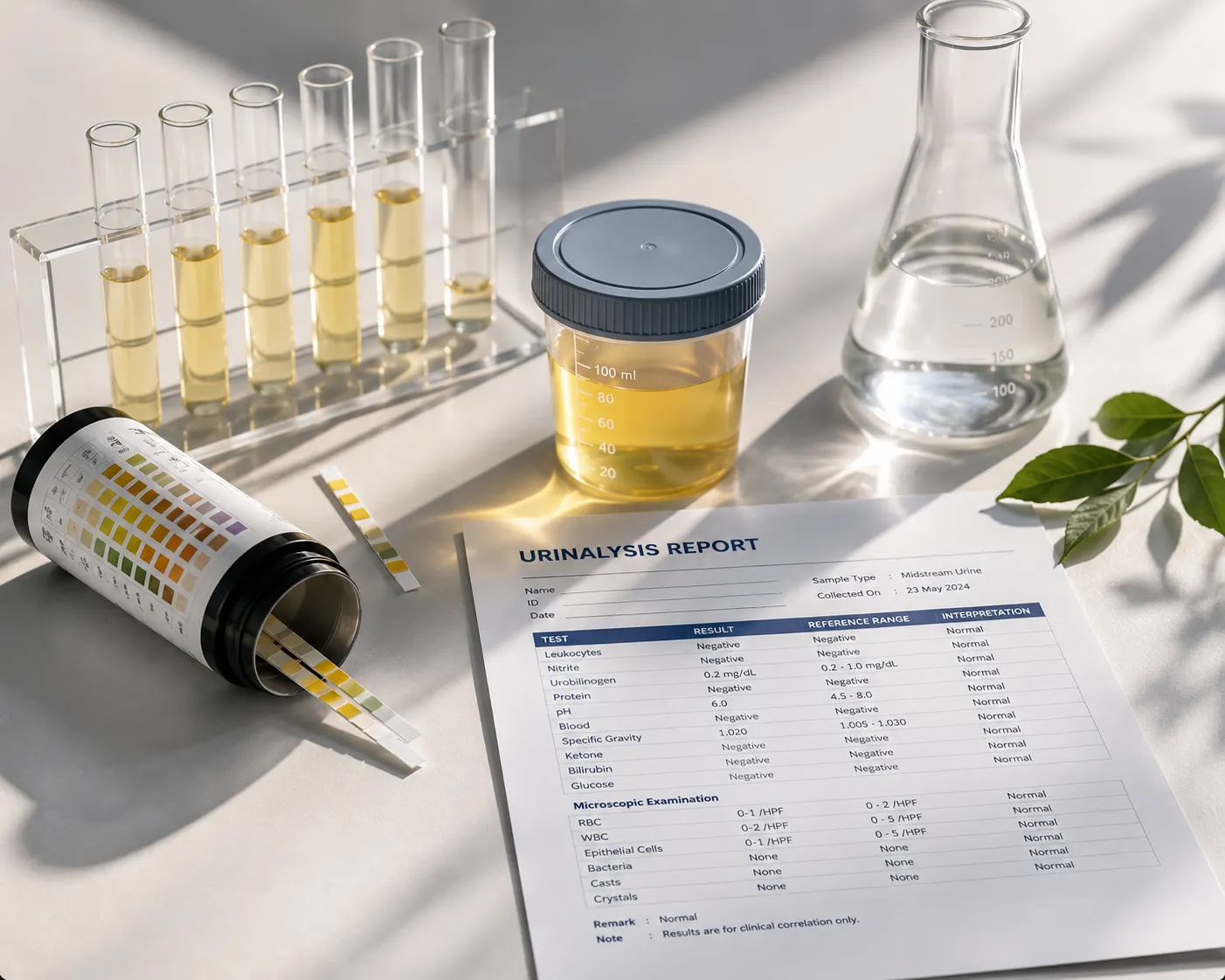
Routine Urinalysis

Routine Urinalysis

Screens for infections, diabetes and kidney function. Usually requires about 3-9 mL of urine.

Urine Culture (UTI Test)

Urine Culture (UTI Test)

To check for bacteria, labs typically need at least 4 mL of urine in a sterile tube.

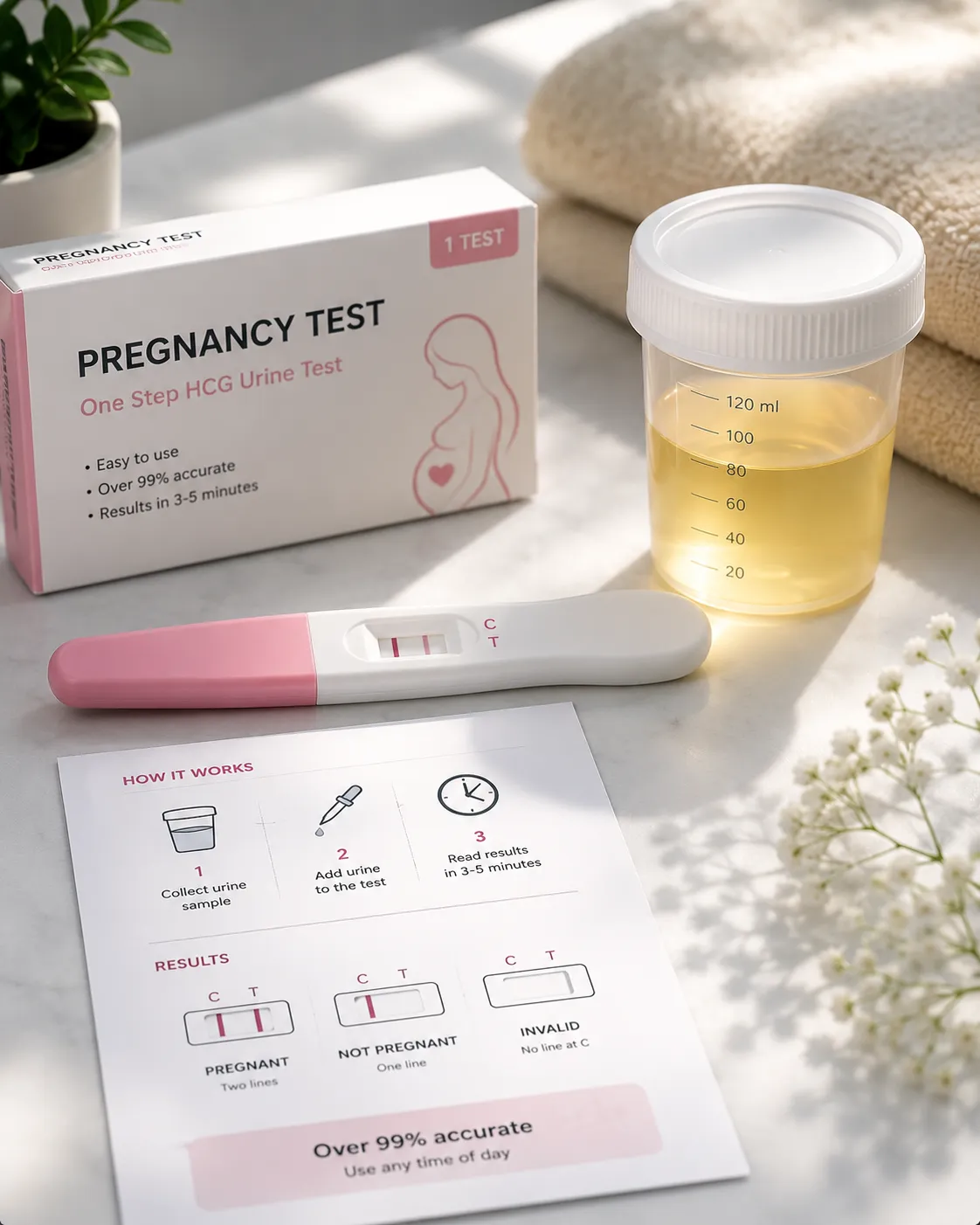
Pregnancy Test

Pregnancy Test

A lab-based hCG urine test needs only about 1 mL of first-morning urine.

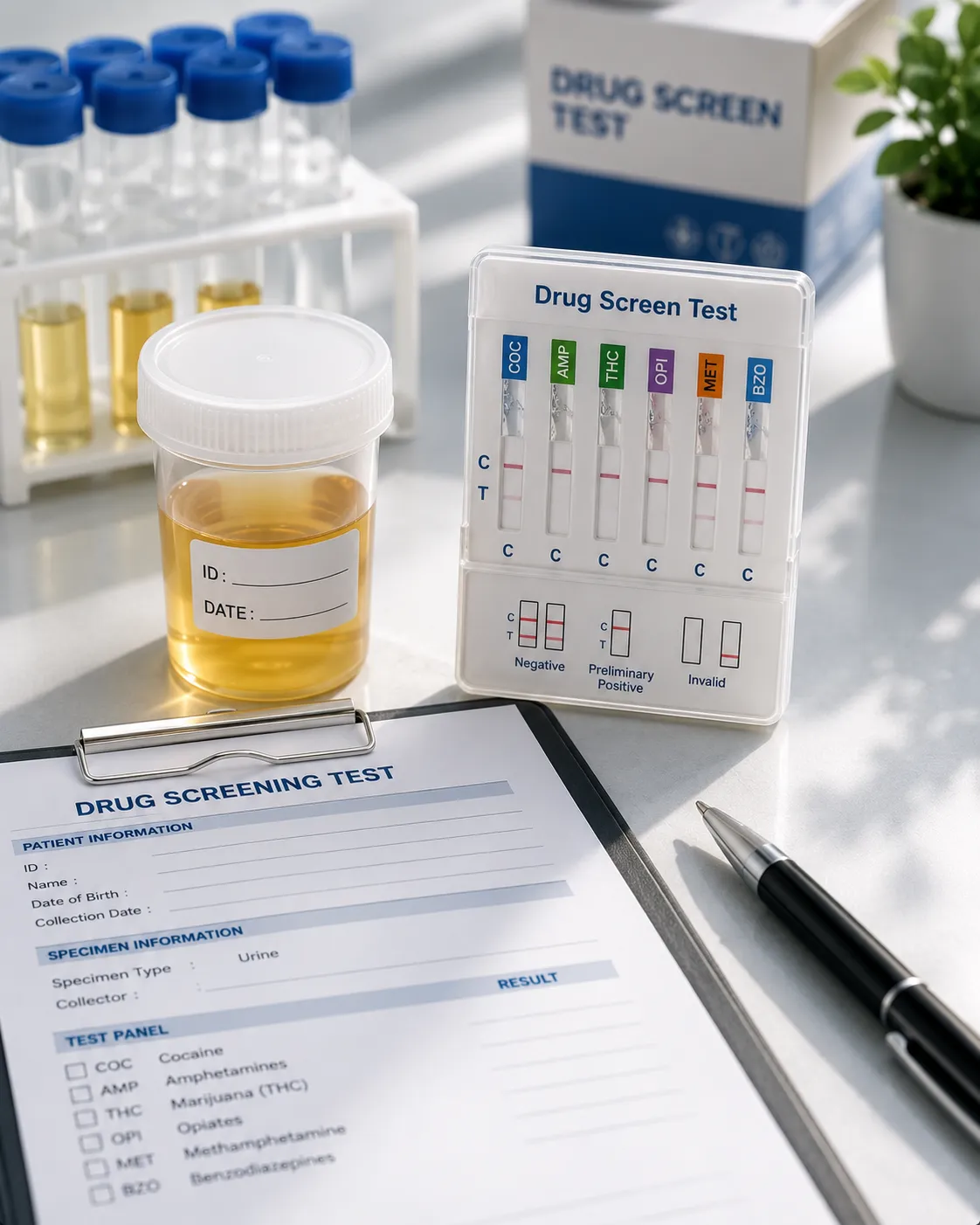
Drug Screening

Drug Screening

Workplace or legal drug tests need much more urine, typically 30 mL or more (45 mL for DOT tests).

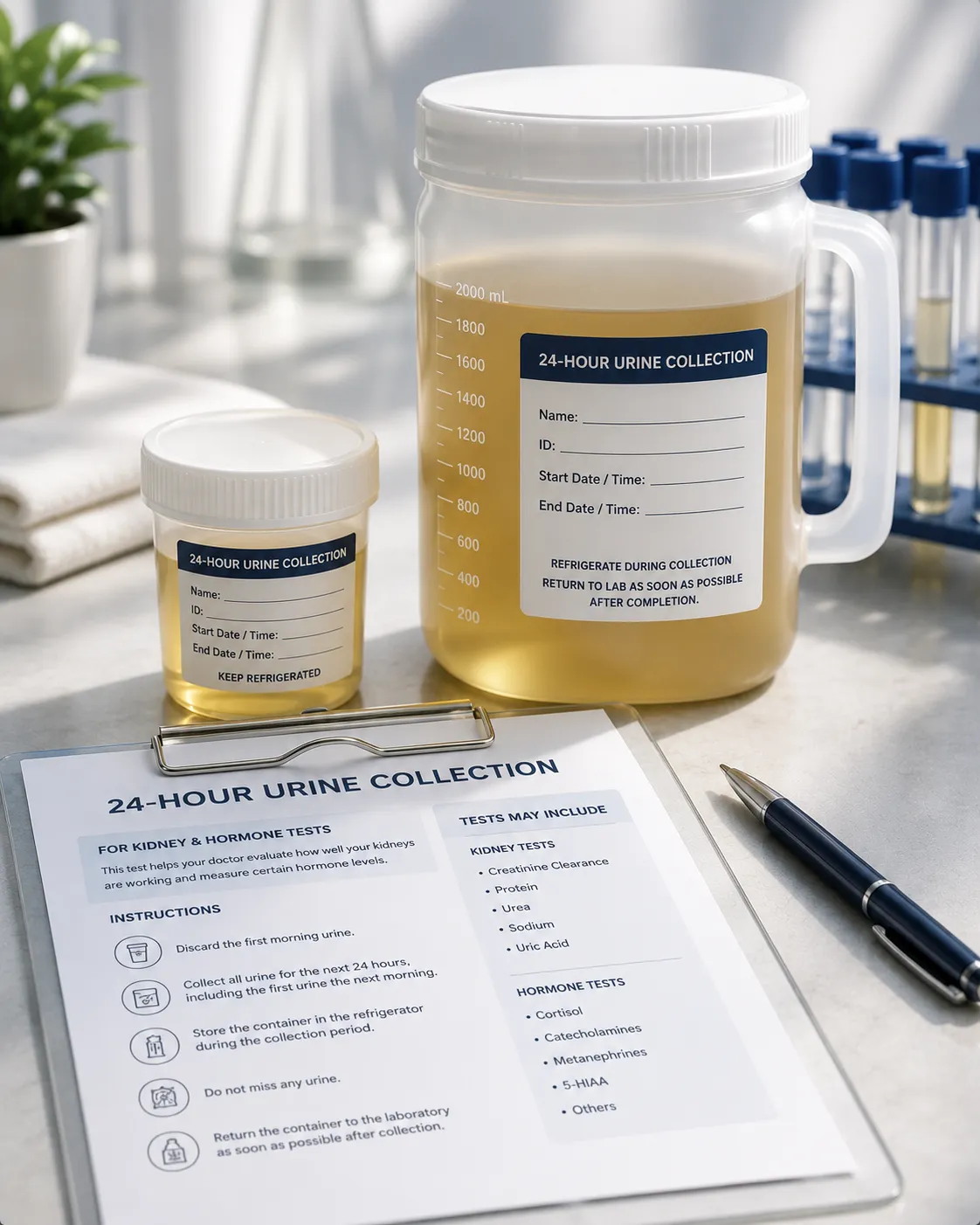
24-Hour Collections

24-Hour Collections

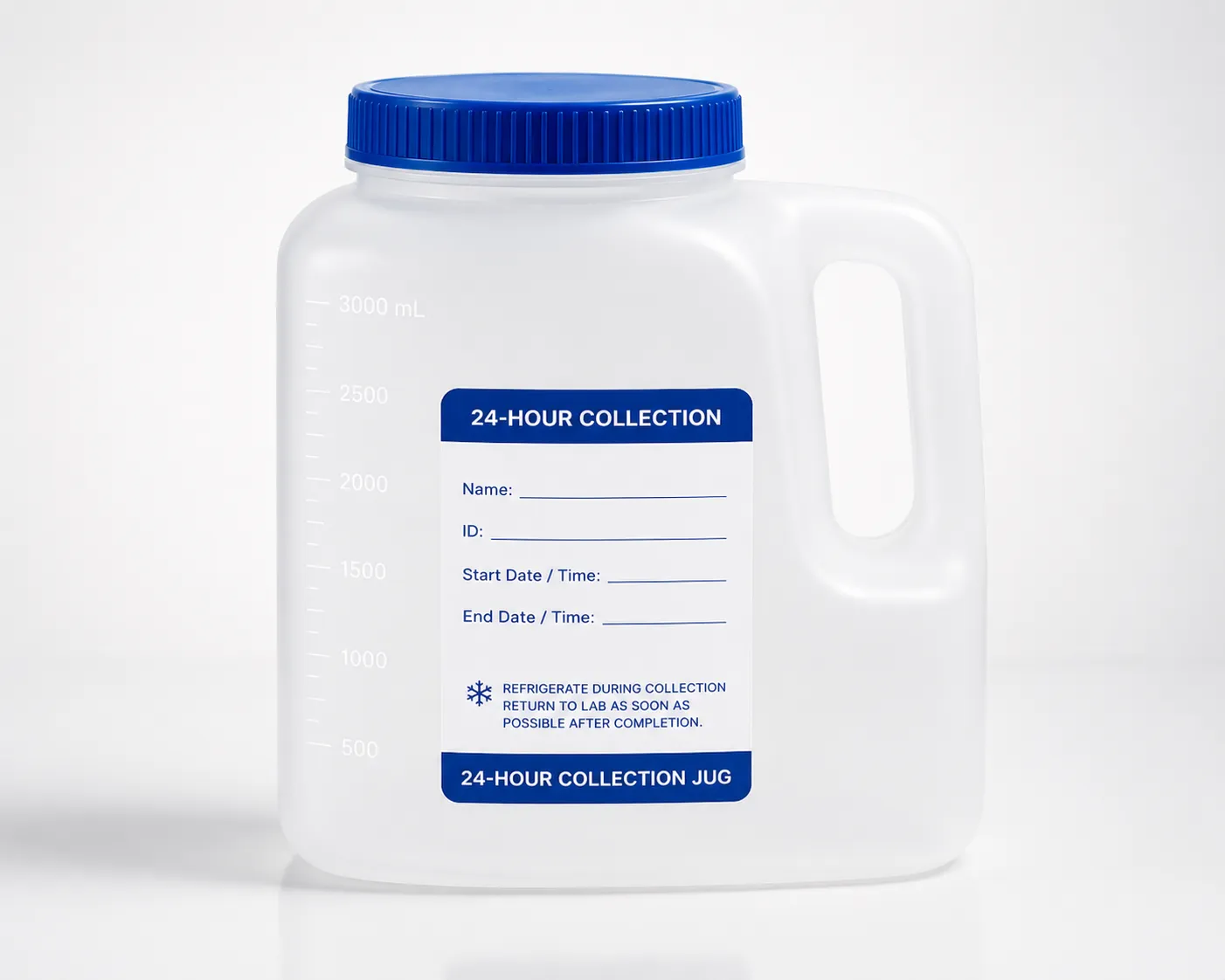
For certain kidney or hormone tests, all urine over 24 hours is collected in a 2-3 litre jug.

Standard Specimen Cup

Standard Specimen Cup

Disposable plastic cups with tight-fitting lids. The most common for general urine tests.

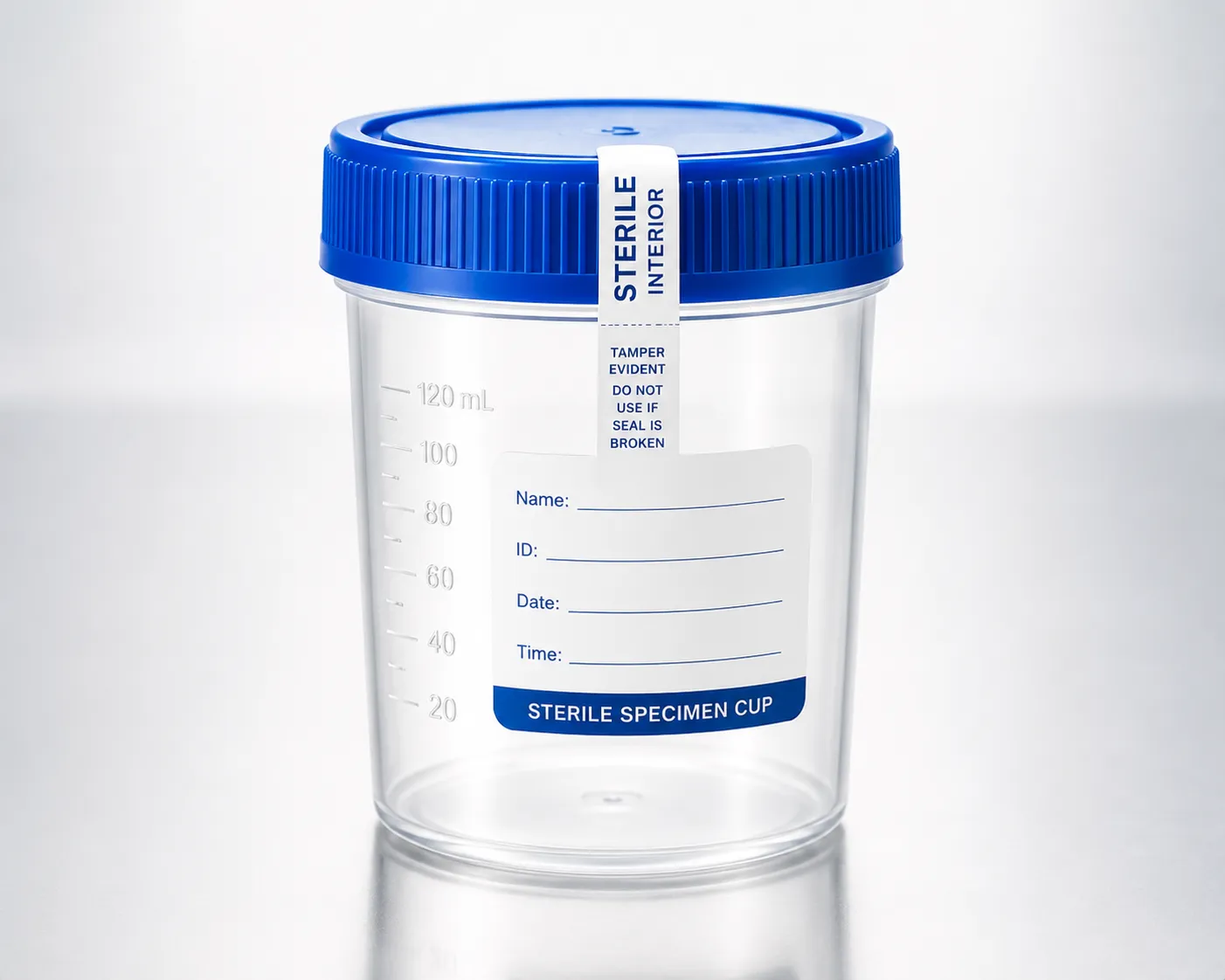
Sterile Specimen Cups

Sterile Specimen Cups

Pre-sterilized and sealed. Used when absolute sterility matters, such as for cultures.

24-Hour Collection Jugs

24-Hour Collection Jugs

Large jugs (often 2-3 litres) for timed collections, usually with a preservative and volume markings.

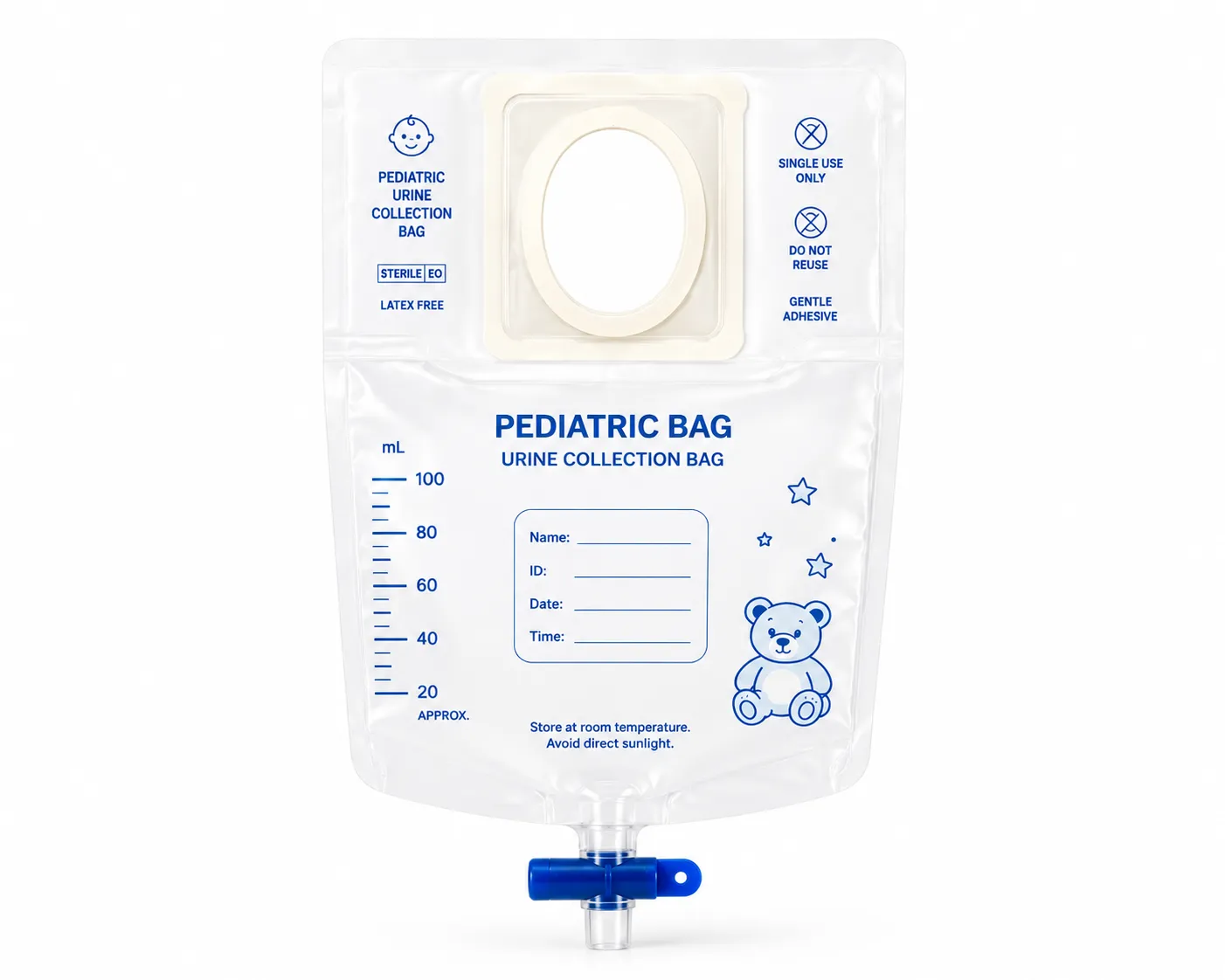
Pediatric Bags

Pediatric Bags

Sticky, sterile plastic bags taped onto the genital area to collect urine from babies and young children.

Drug Test Cups

Drug Test Cups

Disposable cups with built-in test strips, temperature strips and tamper-evident lids.

Wash Hands

Wash your hands with soap and water before handling the container. Do not touch the inside of the cup or lid.

Clean the Area

If doing a clean-catch, follow the wipe instructions provided before collecting the sample.

Collect Midstream

Begin urinating into the toilet, then move the cup into the stream and catch the middle of the flow.

Fill Partway

Only fill the cup about halfway. This leaves room and makes it easy to screw on the cap.

Finish and Seal

Finish urinating into the toilet, then screw the lid on tightly to prevent leaks.

Label the Sample

Write your name, date of birth and the date/time of collection on the container label.

Take the sample to the lab or clinic as soon as possible. If it cannot be delivered immediately, keep it refrigerated. Do not leave it unrefrigerated for long, as the chemical composition may change.

Proper handling protects the accuracy of the test. Always wash your hands before and after collection, never touch the inside of the cup or lid, and keep the container closed when not in use. Keep the sample upright during transport. Deliver within two hours if possible; if delayed, refrigerate, where most routine samples remain stable for up to 24 hours.

Is it reusable?

No. Urine containers are designed for single use only. Reusing them increases the risk of contamination, and even careful washing cannot guarantee sterility.

Can I replace it with another bottle?

Using a household bottle is not recommended. They may contain residue or bacteria and lack proper sealing and measurement markings. Labs may reject samples in non-approved bottles.

How long can urine be stored before it goes bad?

At room temperature, urine should reach the lab within two hours. Refrigerated urine generally remains usable for up to 24 hours for many routine tests.

Tags: