Global Pharma supplies medical supplies to hospitals, laboratories, nursing home, clinic, home care service, medical professionals, retailer & pharmacies, government agencies, medical institution and private sector businesses.
Proper wound care starts with more than simply covering a wound. Before a dressing is applied, the wound bed may need to be appropriately cleansed to remove loose debris, contaminants, wound fluid, and other material that could interfere with assessment and ongoing wound management.
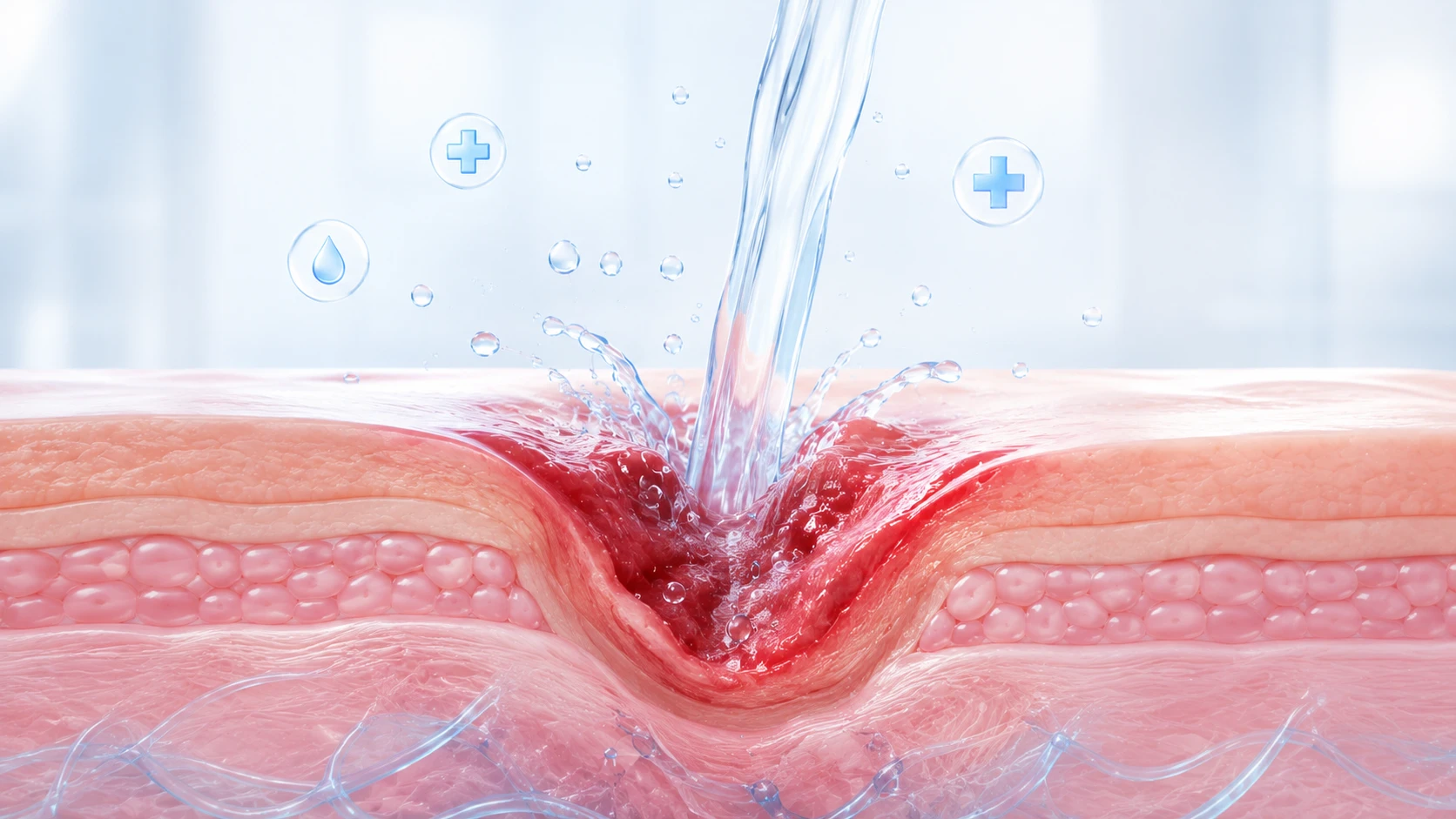
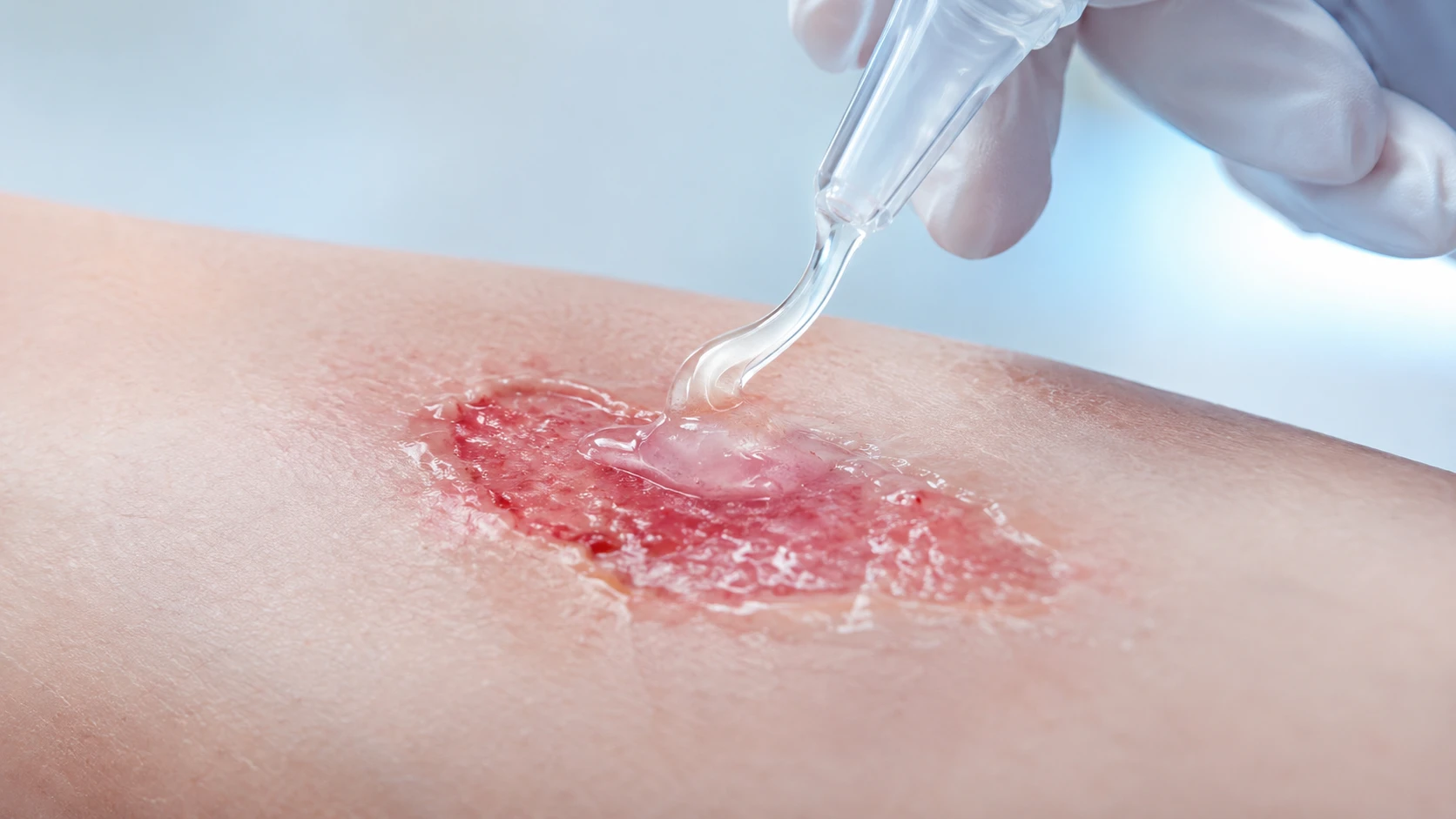
A wound irrigation solution is a liquid used to flush and cleanse the surface of a wound. Rather than aggressively wiping or scrubbing the wound, irrigation uses a controlled flow of cleansing solution to help remove unwanted material while minimizing unnecessary mechanical trauma to healthy tissue.
The appropriate solution depends on the wound itself, its condition, level of contamination, signs of infection, and the treatment objectives determined by a healthcare professional.
Remove Loose Debris
A controlled stream of cleansing solution can help dislodge loose material, contaminants, and debris sitting on the wound surface without requiring aggressive scrubbing.
Clean Away Wound Exudate
Wound fluid and residue from previous dressings may accumulate on or around the wound. Cleansing helps provide a cleaner wound bed before further assessment or a new dressing is applied.
Improve Wound Assessment
A cleaner wound surface allows healthcare professionals to better observe tissue condition, wound edges, exudate, surrounding skin, and other characteristics needed for ongoing wound assessment.
Support the Wound-Care Process
Effective cleansing helps prepare the wound for the next stage of care, including dressing application, further assessment, debridement, or other treatment recommended by a healthcare professional.
Acute Wounds
Cuts, abrasions, traumatic injuries, and certain postoperative wounds may require cleansing when dirt, debris, wound fluid, or other contaminants are present. The aim is to remove unwanted material while preserving healthy tissue as much as possible.
Chronic Wounds
Chronic wounds often require ongoing assessment and wound-bed management. Depending on the wound condition, cleansing may be performed during dressing changes to remove accumulated exudate, loose debris, and other material.
Wounds With Increased Microbial Burden
Where bacterial contamination or infection is a concern, healthcare professionals may consider an antimicrobial or antiseptic cleansing solution as part of a broader wound-management plan. The solution should always be selected according to clinical assessment.
Wound Irrigation
Antiseptic or Antimicrobial Cleansing
Antiseptic or Antimicrobial Cleansing
Antiseptic or antimicrobial wound solutions contain ingredients intended to help control microorganisms. Some wound-care products combine mechanical irrigation with antimicrobial properties, but these solutions are not automatically appropriate for every wound.
Type of Wound
An uncomplicated superficial wound may have different cleansing requirements from a chronic, heavily exudating, contaminated, or complex wound.
Level of Contamination
Wounds exposed to dirt, debris, or foreign material may require more thorough irrigation to help remove visible contaminants.
Infection Risk
Increasing pain, redness, swelling, warmth, unusual discharge, or other signs of infection require proper clinical assessment. Irrigation alone should not replace treatment for an infected wound.
Tissue Compatibility
A wound-cleansing solution and application technique should minimize unnecessary damage or irritation to viable tissue.
Method of Application
The delivery method should provide sufficient flow to cleanse the wound while avoiding unnecessary pressure or additional tissue trauma.
Clinical Protocol
Healthcare facilities should follow established wound-care procedures, manufacturer instructions, and recommendations from qualified healthcare professionals.
Before Irrigation
The wound and surrounding skin are assessed first. Appropriate hand hygiene and protective equipment should be used, and the existing dressing should be removed carefully.
During Irrigation
The selected cleansing solution is applied according to its instructions, allowing the flow of liquid to flush debris and contaminants away from the wound. Unnecessary contact between the dispensing tip and the wound should be avoided.
After Irrigation
The selected cleansing solution is applied according to its instructions, allowing the flow of liquid to flush debris and contaminants away from the wound. Unnecessary contact between the dispensing tip and the wound should be avoided.
Mechanical Cleansing
Irrigation helps physically remove loose debris, wound fluid, contaminants, and other unwanted material from the wound surface.
Additional Microbial Control
For wound-care situations where microbial control is an important consideration, an antibacterial wound irrigation solution may provide an additional option beyond simple mechanical cleansing. Selection should correspond to the wound condition and overall treatment plan.
Different Wounds, Different Requirements
There is no single cleansing solution that is ideal for every wound. Healthcare professionals should consider wound type, contamination, microbial burden, tissue condition, frequency of dressing changes, and the intended treatment objective.
Flexible Volume Options
Wound-care settings may also require different solution volumes depending on the wound and frequency of use. Smaller packaging may be convenient for individual or limited applications, while larger volumes may be suitable where more extensive irrigation is required.
Changes That Need Attention
Professional assessment may be necessary when a wound becomes increasingly painful, red, swollen, warm, produces unusual discharge or odor, continues to bleed, or does not show the expected healing progress.
Complex or High-Risk Wounds
Deep wounds, surgical wounds, wounds containing embedded foreign material, wounds with exposed structures, and wounds in patients with factors that may affect healing should be appropriately evaluated by a healthcare professional.
What is wound irrigation used for?
Wound irrigation is used to flush loose debris, contaminants, wound exudate, and other unwanted material from a wound surface. It may also help improve wound visualization before further assessment or dressing application.
Is wound irrigation the same as cleaning a wound?
Wound irrigation is one method of wound cleansing. Instead of relying primarily on wiping or scrubbing, the wound is cleansed using a controlled flow of liquid.
Can wound irrigation solution be used on chronic wounds?
Wound irrigation may form part of chronic wound management, particularly during wound assessment and dressing changes. The appropriate cleansing solution and technique should be selected according to the wound condition and clinical protocol.
Are all wound irrigation solutions antibacterial?
No. Some wound irrigation solutions are primarily intended for mechanical cleansing, while others contain antimicrobial ingredients. The appropriate solution depends on the wound condition and treatment objectives.
Can antibacterial wound irrigation solution treat an infected wound?
An antibacterial wound irrigation solution may form part of wound management, but a clinically infected wound can require additional treatment. Irrigation should not replace professional assessment or appropriate medical care.
Can antibacterial wound irrigation solution treat an infected wound?
An antibacterial wound irrigation solution may form part of wound management, but a clinically infected wound can require additional treatment. Irrigation should not replace professional assessment or appropriate medical care.
Which size of wound irrigation solution should I choose?
The required volume depends on the wound, irrigation method, and frequency of use. Cosmo Med Wound Irrigation Solution is available in 100 ml and 350 ml variants to support different wound-care requirements.
Support Better Wound Care With Appropriate Cleansing
Wound irrigation is a relatively simple part of wound management, but appropriate cleansing can help prepare the wound for assessment, dressing, and continued care.
The most suitable approach depends on the wound itself. Wound type, contamination, microbial burden, tissue condition, and treatment objectives should all be considered when selecting a cleansing solution.
For healthcare facilities, medical professionals, pharmacies, and distributors looking for an antibacterial wound-cleansing option, Cosmo Med Wound Irrigation Solution is available in 100 ml and 350 ml variants.
Explore the related product below for specifications and additional product information.