Global Pharma supplies medical supplies to hospitals, laboratories, nursing home, clinic, home care service, medical professionals, retailer & pharmacies, government agencies, medical institution and private sector businesses.
A transparent film dressing is a thin, flexible adhesive dressing designed to protect a wound or treatment site while allowing the covered area to remain visible.
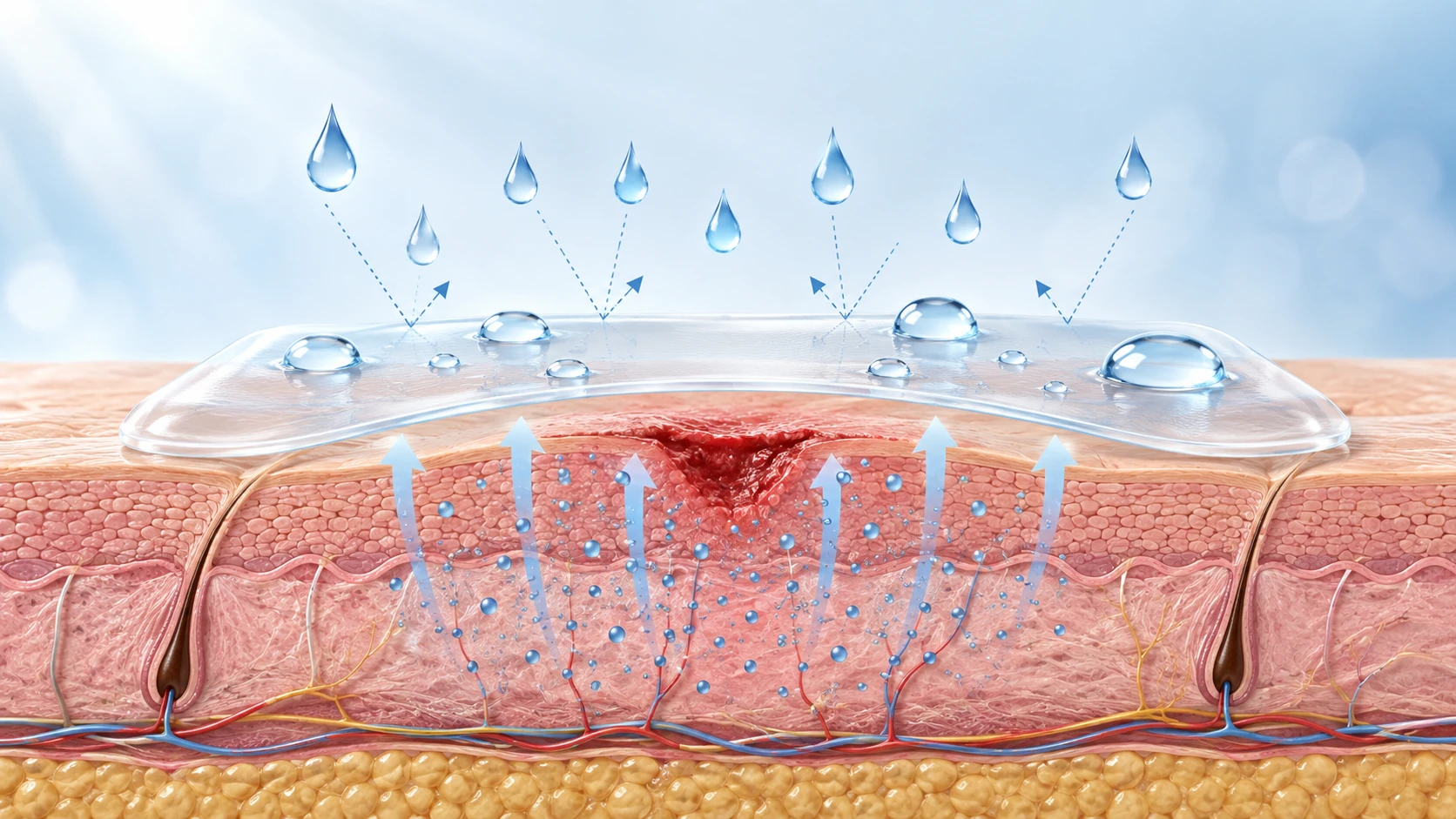
Most transparent film dressings are made from a semipermeable polyurethane film. This structure allows water vapor and gases to pass through while helping create a barrier against external liquids and environmental contamination.
Unlike absorbent dressings that are designed to manage larger amounts of wound fluid, transparent films have limited absorptive capacity. They are therefore generally most appropriate for superficial wounds or treatment sites with little or no exudate.
One of their key practical advantages is visibility. Because the dressing is transparent, healthcare professionals can observe the wound or underlying site without removing the dressing solely for visual inspection.
The appropriate dressing should always be selected according to wound condition, exudate level, surrounding skin, infection risk, and the product instructions for use.
Allows Visual Monitoring
The transparent surface makes it possible to observe the wound and surrounding skin without removing the dressing simply to perform a visual check.
Provides a Protective Barrier
When properly applied and sealed, the film provides a physical barrier that helps protect the covered area from external liquids and environmental contamination.
Supports Moisture Balance
The semipermeable film helps limit unnecessary moisture loss while allowing water vapor to pass through, supporting an appropriately moist environment for suitable wounds.
Thin and Flexible
The flexible film can conform closely to the skin and body contours, providing protection without the bulk associated with thicker wound dressings.
Superficial Wounds
Transparent film dressings may be suitable for shallow or superficial wounds that produce little or no exudate and primarily require protection and moisture management.
Closed or Healing Wound Sites
Depending on the wound condition and product instructions, transparent film may provide a protective covering over certain closed or epithelializing wound sites while keeping the area visible.
Medical Device Sites
Certain transparent film dressing formats may also be used around compatible medical-device or catheter sites when visibility, secure coverage, and protection of the surrounding area are required.
Protect
The polyurethane film forms a thin protective covering over the intended treatment area and helps reduce direct exposure to external liquids and contaminants.
Breathe
Its semipermeable structure allows water vapor and gases to move through the film, helping regulate the environment underneath the dressing.
Monitor
Transparency allows healthcare professionals to visually inspect the covered area without immediately disturbing or removing the dressing.
Transparent Film Dressing vs. Absorbent Dressing
Transparent film is thin, flexible and minimally absorbent. It is particularly useful when a wound produces little or no exudate and visibility of the covered area is an important consideration.
Absorbent Dressing
Foam, alginate, super absorbent and other fluid-handling dressings are designed to manage greater amounts of wound exudate and may be more appropriate when drainage is moderate or heavy.
Heavily Exuding Wounds
Transparent film has limited capacity to manage wound fluid. Moderate or heavily exuding wounds generally require a dressing designed to absorb and retain greater amounts of exudate.
Clinically Infected Wounds
A conventional transparent film should not automatically be selected for a clinically infected wound. Suspected infection requires appropriate assessment and a wound-management strategy suited to the individual condition.
Fragile Surrounding Skin
Because transparent films use an adhesive layer, the condition of the surrounding skin should be considered carefully, particularly where the skin is fragile or easily damaged.
Deep or Complex Wounds
A transparent film alone may not provide the absorption, cushioning, packing, or other wound-management functions required for deeper or more complex wounds.
Wound Type
Determine whether the wound is superficial and suitable for a thin film dressing rather than a more absorbent or specialized wound-care product.
Exudate Level
Transparent film is generally most suitable when wound drainage is absent or minimal. Increasing exudate may indicate the need for another dressing category.
Surrounding Skin
Assess the skin around the wound for fragility, irritation, excessive moisture, or other conditions that could affect adhesive tolerance.
Visibility
Consider whether being able to monitor the covered area without frequently removing the dressing would provide a practical clinical benefit.
Dressing Size
Select a size that provides adequate coverage of the intended area while allowing sufficient film to adhere securely to intact surrounding skin.
Intended Application
Transparent film dressings can differ in dimensions, shape, adhesive system, permeability, and intended use. Follow the instructions for the specific product selected.
1. Prepare the Area
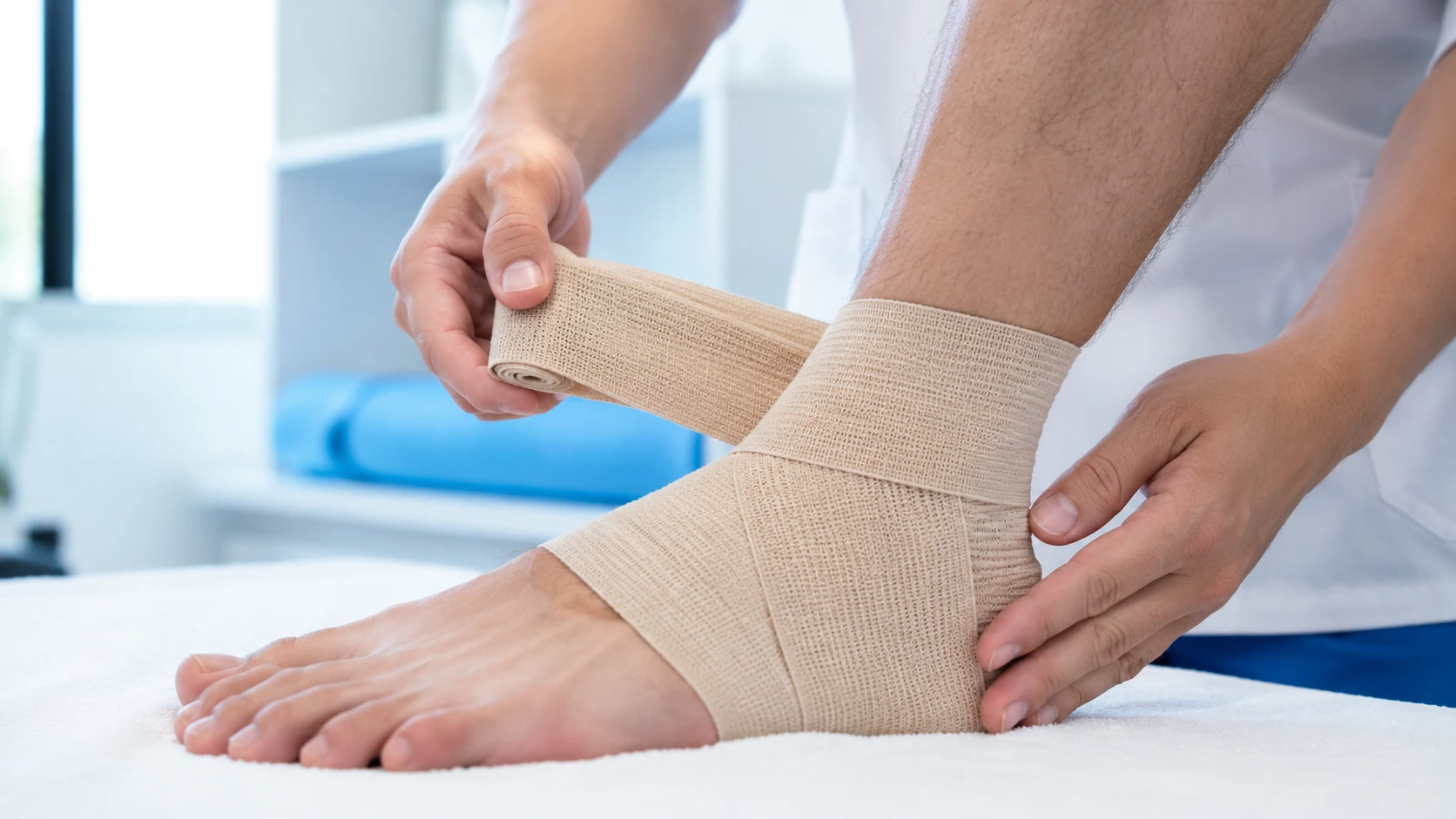
Assess and appropriately cleanse the treatment area according to the wound-care plan, then prepare the surrounding skin before applying the dressing.
2. Position the Film
Apply the transparent film so that it covers the required area with an adequate adhesive margin on intact surrounding skin. Avoid unnecessary tension or stretching during application.
3. Monitor the Site
Observe the wound, dressing seal, and surrounding skin regularly. Replace the dressing according to wound condition, clinical protocol, and the manufacturer's instructions for use.
Observe Without Unnecessary Removal
A transparent dressing allows changes in the underlying wound or treatment site to be visually observed without removing the dressing solely for routine inspection.
Maintain the Protective Environment
Reducing unnecessary dressing removal can help preserve the local wound environment as long as the film remains intact and the wound continues to be appropriate for this type of dressing.
Smaller Treatment Areas
Smaller transparent film formats may be practical for localized wounds and treatment areas where compact coverage and easy visual monitoring are required.
Larger Treatment Areas
Larger film dimensions provide additional coverage for broader treatment areas while maintaining the same advantages of a thin, transparent and flexible protective layer.
6 x 7 cm
A compact size suitable where a smaller treatment area requires localized transparent coverage. A 6 x 7 cm With Notch variant is also available for applications where that format is preferred.
10 x 12 cm
A medium-size option providing additional coverage while maintaining the flexibility, transparency, and low-profile characteristics of a film dressing.
Larger Coverage Options
The 12 x 25 cm and 15 x 20 cm variants provide larger coverage options for treatment areas requiring a broader transparent film surface.
Dressing size should be selected according to the treatment area and the amount of intact surrounding skin required for secure application. Always follow the product instructions and clinical protocol.
Changes That Need Attention
Seek appropriate professional assessment if a wound develops increasing redness, swelling, warmth, pain, unusual discharge, odor, continued bleeding, or other signs that may indicate infection or complications.
Wounds Requiring More Than Simple Protection
Deep wounds, heavily draining wounds, extensive injuries, wounds with significant tissue loss, and wounds that are not progressing as expected may require a different dressing strategy and professional assessment.
What is transparent film dressing used for?
Transparent film dressing is commonly used to protect suitable superficial wounds or treatment sites with little or no exudate while allowing the covered area to remain visible.
Is transparent film dressing waterproof?
Many polyurethane transparent film dressings are designed to provide a barrier against external liquids while remaining permeable to water vapor. The actual performance depends on the individual product and integrity of the dressing seal.
Can you see the wound through transparent film dressing?
Yes. Transparency is one of the main characteristics of film dressing and allows the wound or treatment site to be visually monitored without removing the dressing solely for inspection.
Can transparent film dressing be used on a heavily exuding wound?
Transparent films have limited absorptive capacity and are generally not suitable as the primary dressing for wounds producing moderate or heavy amounts of exudate. A more absorbent dressing may be required.
What is transparent film dressing made of?
Transparent wound films are commonly manufactured from flexible semipermeable polyurethane. Winner Transparent Film Dressing uses a semipermeable polyurethane film coated with a hypoallergenic waterproof adhesive.
What sizes are available for Winner Transparent Film Dressing?
Winner Transparent Film Dressing is available in 6 x 7 cm With Notch, 6 x 7 cm, 10 x 12 cm, 12 x 25 cm, and 15 x 20 cm variants, providing multiple coverage options for different treatment areas.
Protect the Wound While Keeping It Visible
Choosing an appropriate wound dressing is about matching the characteristics of the dressing to the condition and requirements of the wound.
For suitable superficial wounds and treatment sites with little or no exudate, transparent film dressing can provide a practical combination of protection, flexibility, moisture management, and continuous visibility.
Its transparent design allows the covered area to remain observable, while the semipermeable film helps maintain an appropriate local wound environment without the bulk of a thicker dressing.
Winner Transparent Film Dressing combines a semipermeable polyurethane film with a hypoallergenic waterproof adhesive and is available in multiple sizes for different coverage requirements.
Wound condition, exudate level, surrounding skin, infection risk, treatment area, and clinical objectives should always be considered when selecting a dressing.
Explore the related product for available sizes, specifications, and additional product information.