What is an Oral Swab?
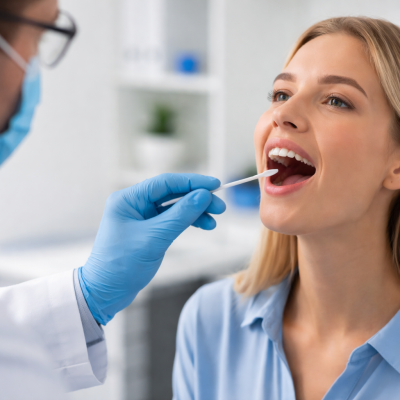
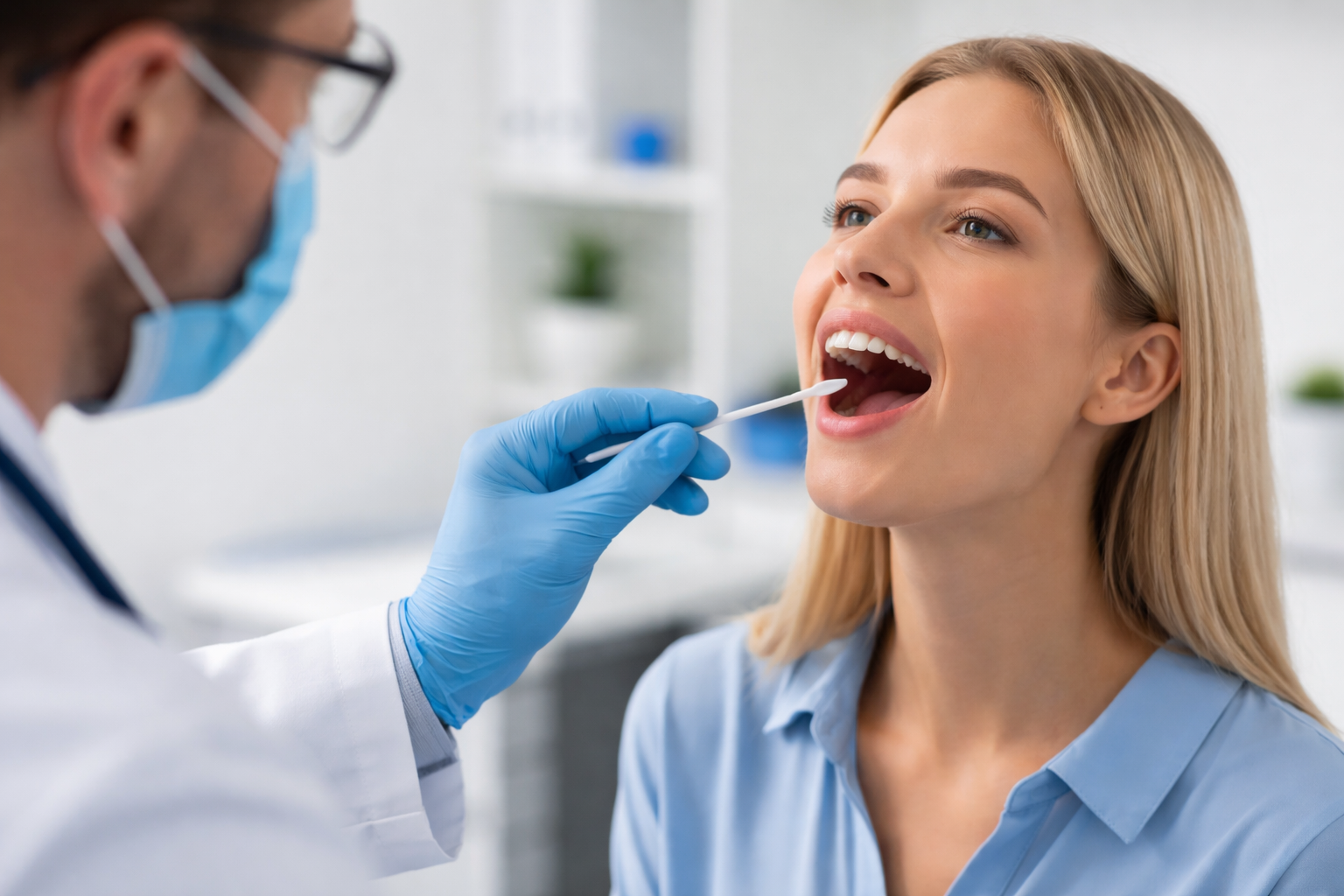
An oral swab is a simple medical tool used to collect cells and fluids from inside the mouth. It usually has a small handle and a soft, absorbent tip made from cotton, polyester, rayon, foam, or nylon. The tip is gently rubbed against the inside of the cheeks, gums, or tongue to pick up saliva, cells, or germs.
This is often called a buccal swab because “buccal” means cheek. Buccal swabs are commonly used to collect DNA for genetic testing or forensic work. Oral swabbing is painless and does not break the skin, which makes it easy to use for children, older people patients, or anyone who cannot give a blood sample.
When is an Oral Swab Used?
Oral swabs are used whenever a sample from the mouth is needed. In healthcare, they help doctors test for infections like viruses and bacteria. For example, mouth swabs can be used to screen for illnesses such as COVID, strep throat, or other respiratory infections.
They are also widely used for DNA testing, including paternity tests, ancestry tests, and genetic screening. Because they are easy and comfortable, oral swabs are often chosen for routine testing, research studies, clinical trials, and even drug or hormone testing.
Types of Oral Swabs
Different swabs vary by tip material and design:
- Cotton or Rayon Swab
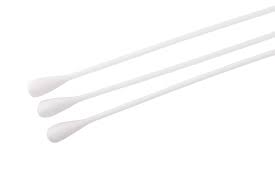
Cotton or rayon swabs are the classic type. They have twisted fibers that soak up fluid well. They are low cost and work for many basic tasks, but some of the sample can get trapped inside the fibers.
- Polyester (Dacron) Swab
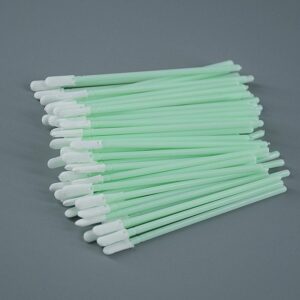
Polyester swabs have a smooth synthetic fiber tip. They absorb fluid like cotton but are often preferred in labs because they do not interfere with chemical tests. It also absorbs sample fluid. (Lab supply notes list polyester swabs as standard for microbiology use.)
- Flocked (Nylon) Swab
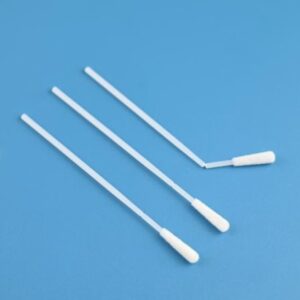
Flocked nylon swabs have a brush like tip made of tiny nylon fibers. These fibers sit on the surface instead of being twisted in. This design helps them collect more cells and release them easily into test tubes. Many studies show they give better results than older style swabs. These are widely used now for respiratory and oral sampling.
- Foam Swab
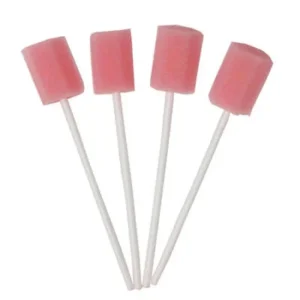
Foam swabs have a soft sponge like tip made from special foam. They soak up saliva and hold cells well. They are often used for cheek sampling and come in different shapes (sponge-tip, brush-tip).
(The handles may be plastic or wood, and oral swabs usually come sterile and sealed in individual packages.)
How to Use an Oral Swab
Follow these steps to collect a mouth sample:
- Wash your hands and open the sterile swab package carefully. Touch only the handle, not the tip.
- Place the swab inside your mouth against your inner cheek or gums. Gently rub or rotate it along the cheek, under the tongue, and along the gums for about ten to thirty seconds. Some instructions say to rub one cheek several times, then switch to the other. This helps collect enough cells and saliva. Try not to touch your teeth with the tip.
- After swabbing, pull it out without letting it touch anything else. Place it into the tube or container provided. If needed, break off the handle so the tube can close. Seal and label the tube. The sample is now ready for testing. (Once collected, labs often add a transport liquid to the tube for analysis.)
Who Usually Uses Oral Swabs?
Many people and groups use oral swabs. Doctors and nurses use them in hospitals and clinics. Researchers use them in labs for genetic and disease studies.
In many cases, patients can collect their own sample by following simple instructions. Many home testing kits are based on self swabbing.
Police and forensic teams also use cheek swabs to collect DNA from suspects or crime scenes. Genetic testing companies send kits to people so they can swab themselves at home to learn about ancestry or health traits.
FAQ: Can an Oral Swab Diagnose an Infectious Disease?
Yes. Modern lab tests can detect many infections from oral swabs. Studies show that mouth swabs can even help diagnose serious diseases like Ebola, tuberculosis, and COVID.
For example, DNA from the tuberculosis germ has been found on tongue swabs. In confirmed cases, tongue swabs detected the disease in about half to most patients compared to traditional sputum samples. For COVID, self collected oral swabs have shown close to ninety percent accuracy when done correctly.
Oral swabs also work well for antibody testing. Studies show over ninety percent agreement between oral swab tests and blood tests for diseases like HIV and hepatitis C.
However, the amount of germs in the mouth is sometimes lower than in the throat or blood. This means a negative result does not always guarantee there is no infection. Doctors often use oral swabs along with other tests to be sure.
FAQ: Difference Between Oral Swab, Foam Swab, Throat Swab?
An oral swab is any swab used inside the mouth, usually for cheeks, gums, or tongue.
A foam swab describes the material of the tip. It has a sponge like foam tip instead of cotton or fiber. Foam swabs can be used in the mouth but are also used for cleaning wounds or medical tools.
A throat swab is made to reach the back of the throat and tonsils. It usually has a longer handle and is used carefully to collect germs from the throat area. Throat swabs are used with care to avoid contamination and to safely collect microbes from the pharynx.
In summary: Oral swab is a mouth sample swab; foam swab just means the tip is foam; throat swab means sampling the throat area.
FAQ: Does an Oral Swab Have an Expiration Date? How to Know Not to Use It Anymore?
Yes. Sterile swabs all have a shelf life and an expiration date printed on the package. Typical shelf life is on the order of 2–5 years for sterile swabs. For example, nylon flocked swabs often expire after 3–5 years, and foam buccal cheek after about 3 years. Always check the “use by” or expiration date on the label. Do not use a swab past this date.
Also look at the package before use. If it is torn, punctured or open, the swab is no longer sterile. In fact, once the sterile barrier is broken, the swab’s validity is void. An expired or compromised swab can harbor microbes or degrade over time, which may contaminate the sample or give inaccurate results.