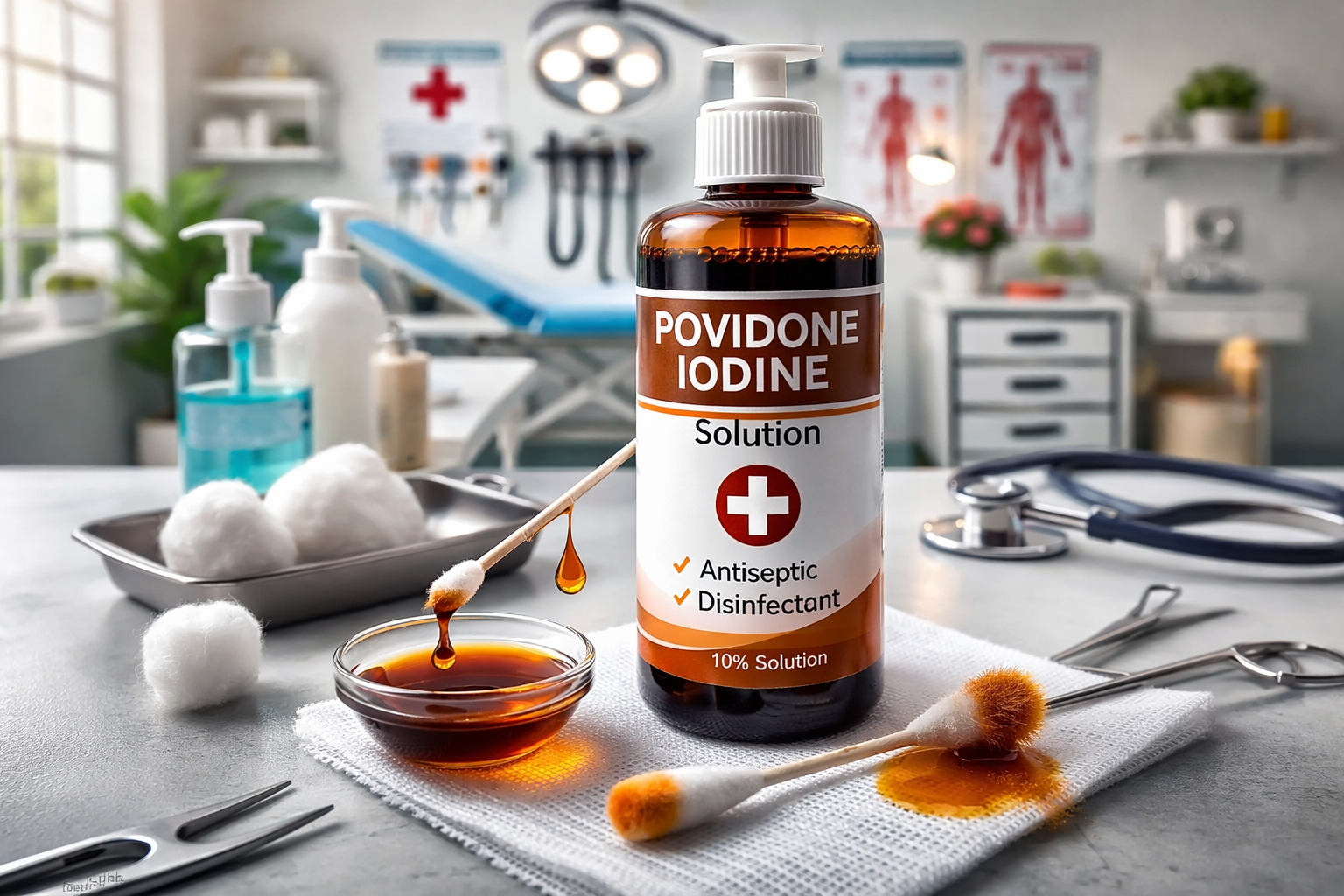
What is Povidone Iodine?
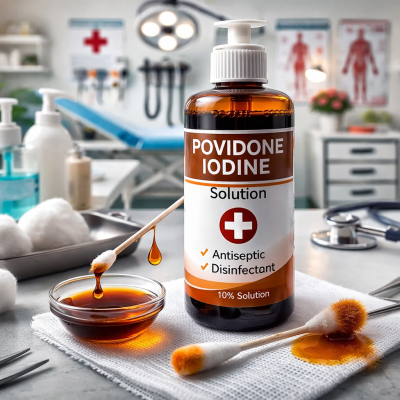
If you have ever opened a first aid kit, you have likely seen a bottle of dark brown liquid. That deep amber color is the hallmark of povidone iodine. This substance is a powerful antiseptic that experts created by mixing two specific components. It is a mixture of a polymer called polyvinylpyrrolidone and iodine.
The story of iodine goes back quite a long way. It was first discovered in 1811 as dark crystals from seaweed and mining. While pure iodine is a fantastic germ-killer, it has a major drawback. It does not dissolve well in water. This made it difficult to use in medicine for a long time.
Scientists finally solved this puzzle in 1955. They found that by “trapping” iodine inside a polymer, they could make it water-soluble. This new mixture became what we now call povidone iodine. The polymer acts as a delivery vehicle. It holds the iodine and then releases it slowly onto the skin.
This slow-release mechanism is why it is so effective. Instead of one quick burst, the iodine stays active for a longer period. This allows it to kill bacteria, fungi, and viruses more thoroughly. It provides a steady shield against infection without the harsh sting of old-fashioned iodine tinctures.
Today, this mixture is a staple in hospitals and homes around the world. It is available in many forms, from liquid solutions to handy sprays and ointments. Whether you are treating a scraped knee or a sore throat, this “liquid gold” is a reliable friend for your health.
Why Is It So Beneficial?
The primary function of povidone iodine is to act as an antiseptic that prevents and treats infections. It works by destroying the cell walls of microorganisms. It kills bacteria, fungi, and even some viruses very quickly. You can find it in many forms like creams, ointments, and sprays. This variety makes it a versatile tool for any home medical kit.
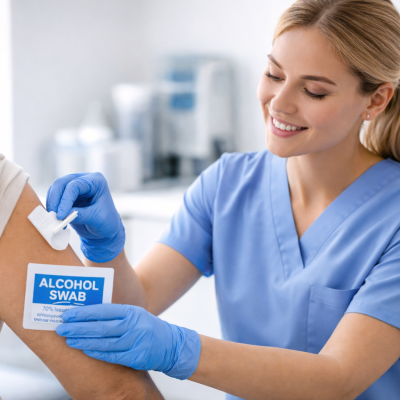
Doctors often use it to sterilize skin before surgery. It is also great for minor cuts and scrapes at home. The iodine stays active on the skin for a long time. This gives a “residual” effect that continues to kill germs even after the application. It does not sting as much as pure alcohol, making it a better option for kids with sensitive skin.
Interestingly, its use goes beyond humans. Farmers use it to protect livestock from various diseases. It helps prevent infections in cows and keeps shrimp ponds clean. It effectively reduces biofilms and mold in aquatic environments. This helps maintain the nutritional quality and size of the seafood we eat.
The substance also has a huge role in dental hygiene. Many people use it as a mouthwash to treat gum inflammation. It reaches very deep into the mouth to remove harmful germs from the mouth. This prevents small mouth sores from becoming painful infections. It is very effective because of its far-reaching capabilities.
Common Uses and Dosages
For skin infections or minor wounds, use a 5% to 10% solution or ointment. Adults and children aged two years and above can apply it directly to the affected area. Use enough to cover the wound evenly. You may apply or spray it as needed, but do not overuse it on large areas without medical advice.
For mouth and throat infections, use a 1% gargle solution. Adults and children over six years can use 10 ml for each use. Gargle for 30 seconds, then spit it out. Do this four times a day. Leave a gap of three to four hours between each use. You may use it for up to 14 days or as directed by a doctor.
For throat spray preparations, adults can spray the solution directly into the mouth or throat. Use it three to four times daily as needed to relieve symptoms.
For vaginal irritation or infection, use the vaginal douche form once daily. Continue for five to seven days, or follow your doctor’s instructions.
How to Use Povidone Iodine Safely
Using this antiseptic is straightforward if you follow these steps:
- Clean the wound first with clear, running water.
- Pat the area dry with a clean cloth.
- Apply the liquid or ointment gently to the skin.
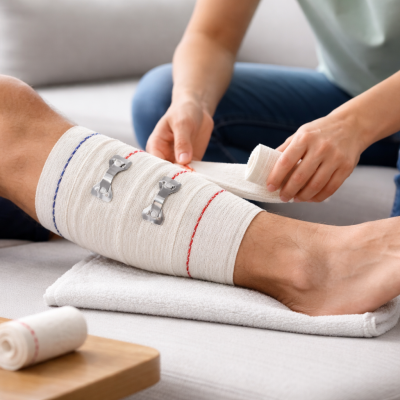
- Let the solution dry before covering it with a bandage.
- Wash your hands thoroughly after applying the medication.
- Store the bottle at room temperature away from direct sunlight.
- Keep the container tightly closed and out of reach of children.
Important Things to Know Before Use

Although povidone iodine is available without a prescription, you should not use it carelessly. Do not use this product if you are allergic to iodine. Inform your doctor if you have a history of iodine allergy, kidney disease, or thyroid problems. Povidone iodine can interfere with thyroid function tests, so always tell your doctor before undergoing laboratory examinations.
Avoid applying it to large areas of the body for long periods without medical advice. Use extra caution when applying it to children, especially on large wounds or inside the mouth and nose. If you are pregnant, planning to become pregnant, or breastfeeding, consult your doctor before use. You should also speak with a doctor if you are taking other medicines, supplements, or herbal products to prevent possible interactions.
Consult a doctor if you have:
- Severe burns
- Deep or large wounds
- Animal bite wounds
- Chronic wounds
Watch Out for Side Effects
Most people handle povidone iodine very well. However, some side effects can occur. You might notice redness, itching, or a slight burning sensation on the skin. These are usually mild and go away quickly.
In rare cases, a person might have a severe allergic reaction. Look for signs like hives, swelling, or trouble breathing. If these happen, seek medical help immediately. Using it on very large areas for a long time can lead to iodine toxicity. Always stick to the recommended amounts on the label.
Povidone iodine remains a staple in modern medicine for a reason. It is reliable, effective, and very easy to find. Keeping a bottle in your cabinet is a smart way to handle life’s little accidents.