What Is a Urine Container?
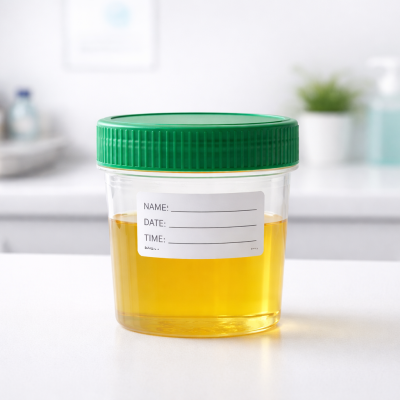
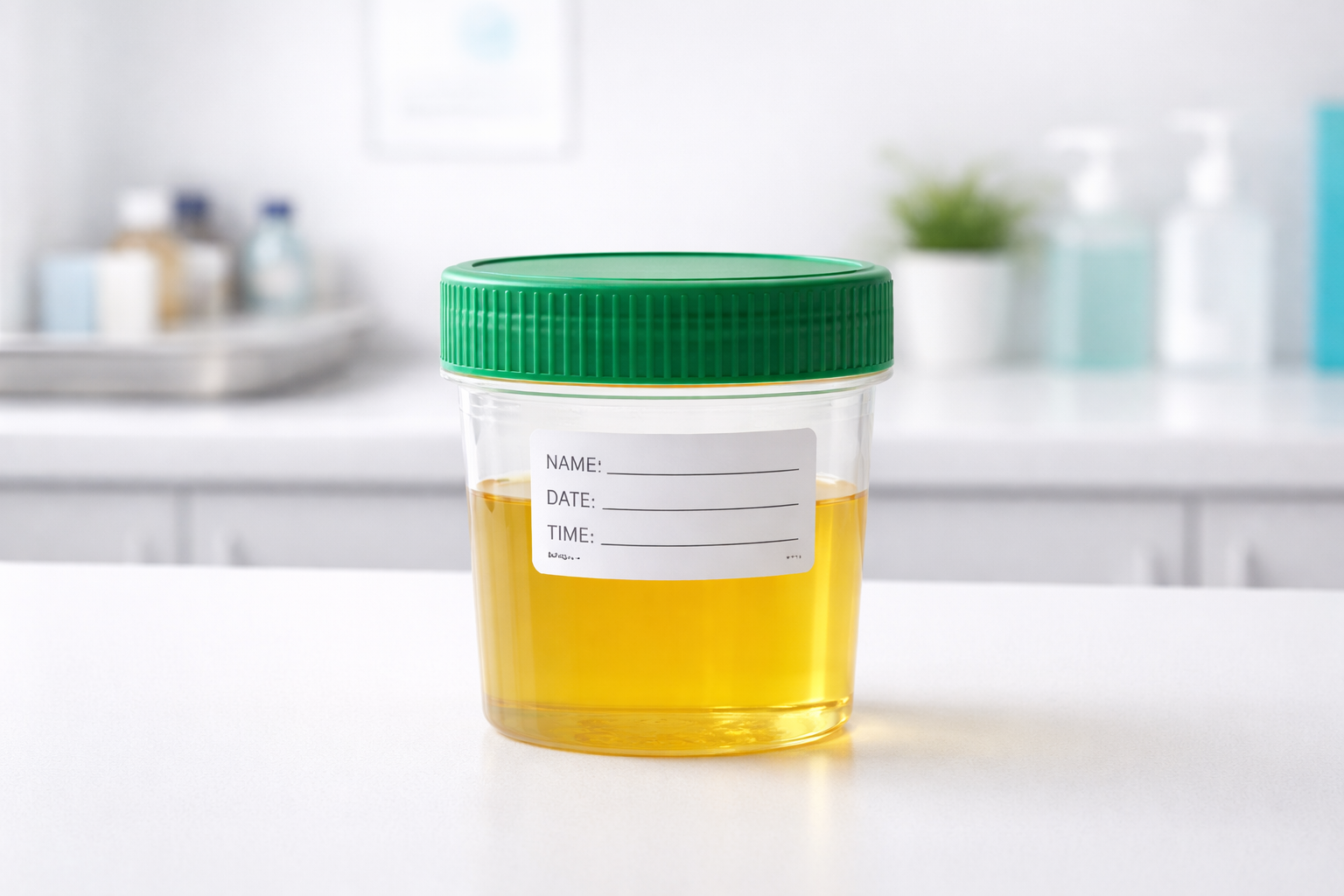
A urine container is a small medical cup used to collect urine for testing. Most containers are made from medical-grade plastic such as polypropylene. This material is lightweight, durable, and resistant to chemicals. The cup usually has a tight screw-on lid to prevent leaks. Many containers also include clear measurement markings on the side.
The main purpose of a urine container is to keep the sample clean and uncontaminated. Accurate results depend on proper collection and storage. Doctors use urine tests to detect infections, monitor organ function, and screen for diseases. A simple urine sample can reveal early signs of diabetes or kidney problems. Because of this, the container plays an important role in diagnosis.
Medical Tests That Use Urine Samples
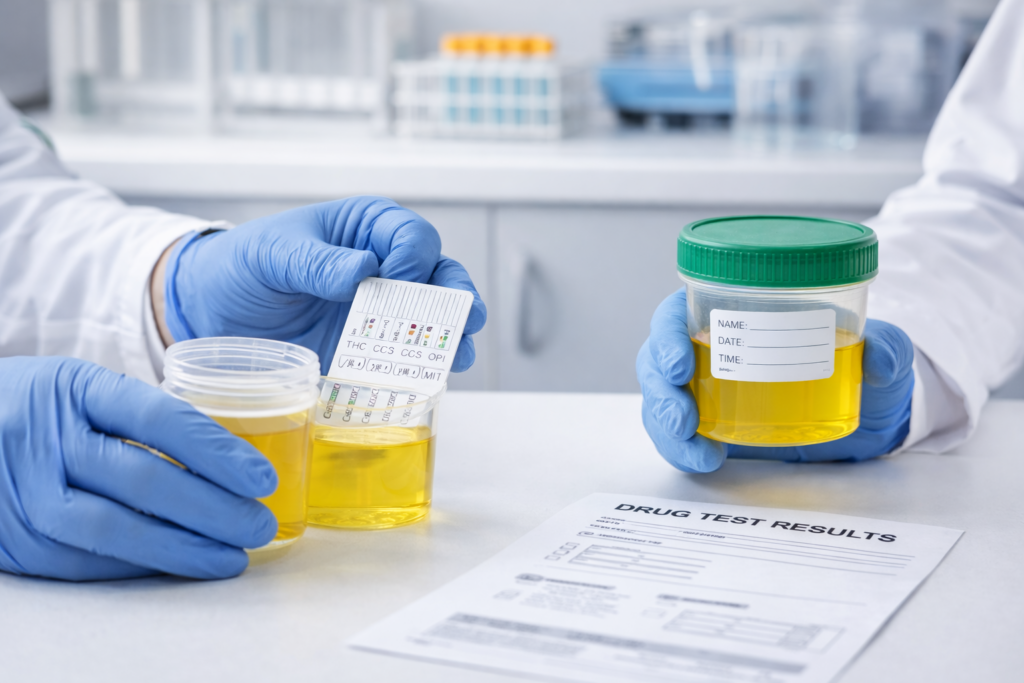
Different medical tests require different amounts of urine. Each test has a specific volume requirement :
- Routine Urinalysis
These screen for infections, diabetes, kidney function, etc. They usually require about 3–9 mL of urine. Lab guides often list 3–5 mL as a minimum (some say up to 9 mL).
- Urine Culture (UTI Test)
To check for bacteria, labs typically need at least 4 mL of urine in a sterile tube. (Many clinics ask for 10–15 mL if using a cup, but 4 mL is often the minimum.)
- Pregnancy Test
A lab-based hCG urine test only needs about 1 mL (some devices even use drops). For example, LabCorp’s urine pregnancy test requires just 1 mL of first-morning urine in a plastic container.
- Drug Screening
Workplace or legal drug tests need much more urine. Typically, you must provide 30 mL or more. U.S. guidelines say at least 30 mL (45 mL for DOT tests) of urine is needed. (This large volume allows for tamper-checks and split samples.)
- 24-Hour Collections
For certain kidney or hormone tests, all urine over 24 hours is collected in a large jug. These jugs often hold 2–3 liters. The lab will measure the entire volume (in mL) collected.
Types of Urine Containers
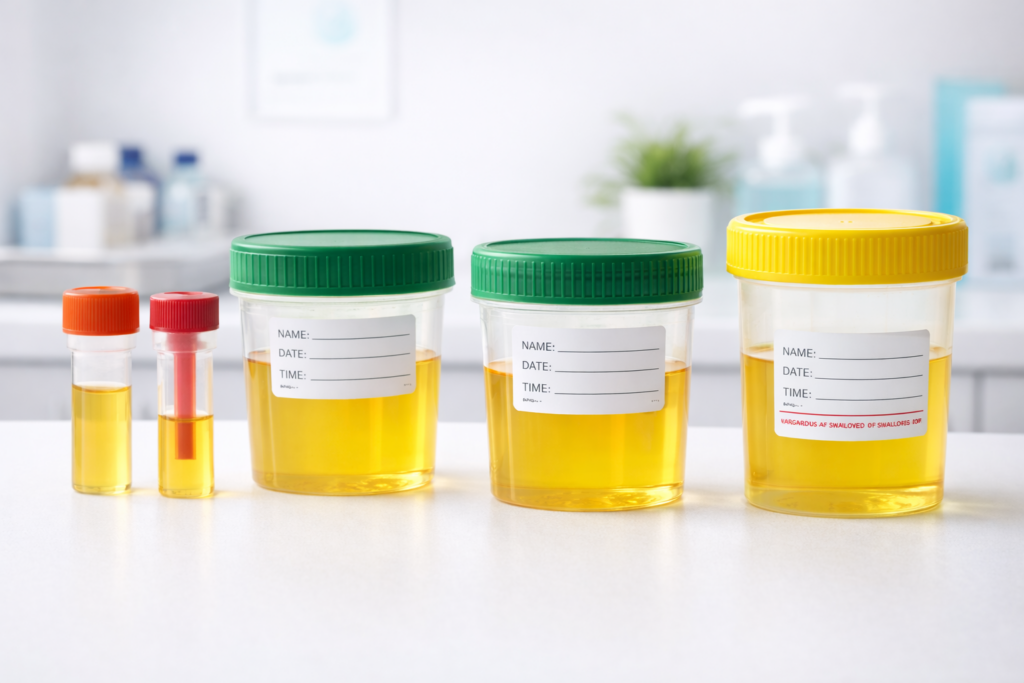
There are several types of urine containers available for different needs :
- Standard Specimen Cup
These disposable plastic cups have tight-fitting lids. They are the most common for general urine tests. A lab guide notes that even for infants, “plastic disposable cups” or adhesive urine bags (50 mL) can be used.
- Sterile Specimen Cups
These come pre-sterilized and sealed. They are used when absolute sterility matters (e.g. for cultures). They look like the standard cups but are wrapped and handled so they stay clean until use.
- 24-Hour Collection Jugs
Large jugs (often 2–3 liters) are used for timed collections. They may contain a preservative and usually have volume markings. Patients pour all urine for 24 hours into these jugs, which labs supply.
- Pediatric Bags
For babies and some young children, sticky plastic urine bags can be taped onto the genital area. These collect urine directly without needing the child to urinate into a cup. They are single-use and sterile on the inside.
- Drug Test Cups
These disposable cups have built-in test strips or indicators (often for multiple drugs of abuse). They also have features like temperature strips and tamper-evident lids, required for workplace drug testing.
How to Use a Urine Container
Collecting a proper sample involves clear steps:
- Wash Hands
Always wash your hands with soap and water before handling the container. Remove the lid carefully and place it with its interior side up. Do not touch the inside of the cup or lid.
- Clean the Area (if needed)
If you have wipes or instructions for a “clean-catch,” use them. For women, spread the skin folds and wipe front-to-back; for men, retract the foreskin and clean the tip.
- Collect Midstream
Begin urinating into the toilet. After a few seconds of voiding, move the cup into the urine stream. Catch the middle of the flow. Avoid touching the rim to any part of your body or clothing. Do not let the cup touch your skin.
- Fill Partway
Only fill the cup about halfway. This leaves room and makes it easy to screw on the cap. Do not overfill or underfill; follow any volume guideline given (often the cup has a mark).
- Finish and Seal
Finish urinating into the toilet after you collect the sample. Then screw the lid on tightly to prevent leaks. Make sure the cap is secure.
- Label the Sample
Write your name, date of birth, and the date/time of collection on the container label. Good labeling avoids any mix-up at the lab.
- Deliver Promptly
Take the sample to the lab or clinic as soon as possible. If the sample cannot be delivered immediately, keep it refrigerated. Do not leave it unrefrigerated for long.
Proper Handling to Avoid Contamination
Proper handling protects the accuracy of the test. Always wash your hands before and after collection. Never touch the inside of the cup or lid. Keep the container closed when not in use.
Avoid placing the open container on unclean surfaces. Keep the sample upright during transport. Contaminated samples may lead to incorrect results and repeated testing.
Temperature also affects urine quality. Deliver the sample within two hours if possible. If there is a delay, store it in a refrigerator. Most routine samples remain stable for up to 24 hours when refrigerated. Always follow the laboratory’s instructions.
FAQ: Is It Reusable?
No, a urine container is not reusable. These containers are designed for single use only. Reusing them increases the risk of contamination. Even careful washing cannot guarantee sterility. For accurate medical testing, always use a new container.
FAQ: Can I Replace It With Another Bottle?
Using a household bottle is not recommended. Even clean jars may contain residue or bacteria. Household containers also lack proper sealing and measurement markings. Laboratories may reject samples collected in non-approved bottles. Always use the container provided by your healthcare provider.
FAQ: How Long Can Urine Be Stored Before It Goes Bad?
At room temperature, urine should reach the lab within two hours. After that, its chemical composition may change. Bacteria can multiply quickly at room temperature.
Refrigeration slows down these changes. In general, refrigerated urine remains usable for up to 24 hours for many routine tests. Some specialized tests require faster processing. Always follow the storage instructions given by your healthcare provider or laboratory.