What is a Hot Cold Pack?
A hot and cold pack is a reusable gel-filled pack that can provide either cold therapy or heat therapy for injuries and aches. These packs are filled with a squishy gel sealed in a leak-resistant plastic cover, often with a soft fabric exterior for comfort. The gel inside is typically made from water combined with a thickener, a freezing-point depressant (like propylene glycol), silica gel, and a non-toxic blue dye. This formulation allows the pack to stay flexible when frozen and to retain heat when warmed. The ingredients are generally non-toxic, but the cooling agent, such as propylene glycol, can cause mild irritation if ingested by accident. Reusable hot/cold packs are considered safe for all ages-even kids can use them with proper adult supervision.
The Purpose of Hot and Cold Packs
Hot and cold packs represent a convenient, drug-free way to relieve pain and treat minor injuries. The same pack can serve dual purposes: cold therapy (cryotherapy)for acute injuries, inflammation, or fever; heat therapy for muscle relaxation and the relief of chronic pain. Applying cold or heat to the body can help the healing process in different ways. A cold pack numbs pain and reduces swelling by constricting blood vessels and slowing down circulation. On the other hand, a heated pack encourages blood flow to the area, which helps to relax tight muscles and joints, easing stiffness. In short, cold packs excel at immediate pain relief and inflammation control, while hot packs soothe soreness and improve flexibility over time.
Cold Vs Hot Packs: When to Use Them
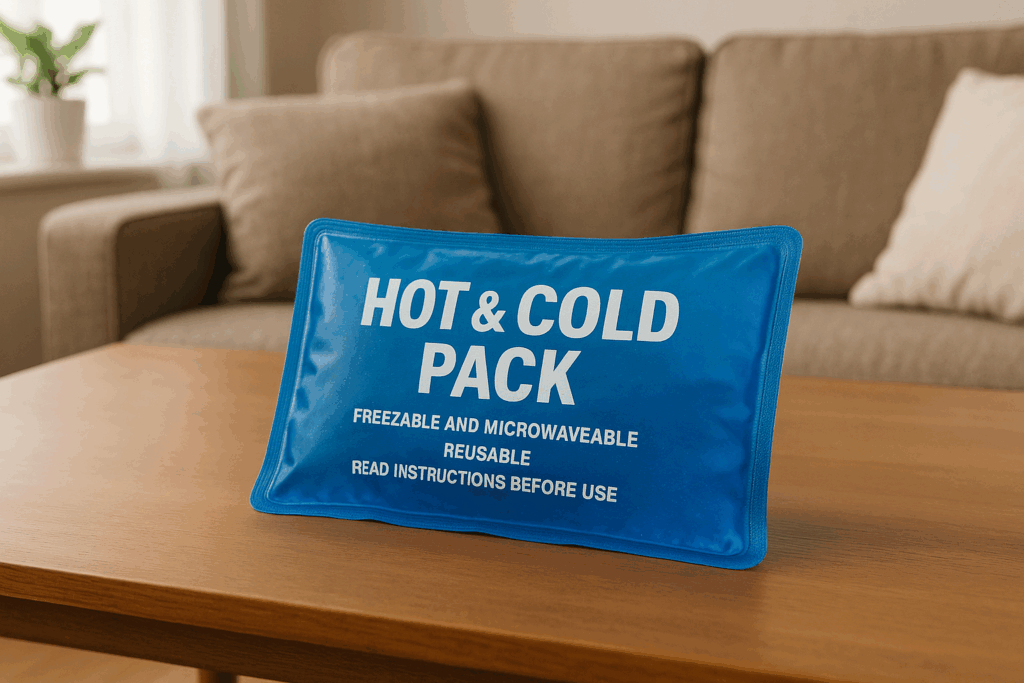
Knowing when to use cold therapy versus heat therapy is important in getting the best results. This is the general guidelines on when to use a cold pack and when to use a hot pack:
Use a Cold Pack for:
-
Acute injuries and swelling
If you have any recent injury such as sprains, strains, or bruises that are painful, red, or swollen, then cold is the way to go. Cold works by numbing the pain and reducing swelling by constricting blood vessels. It’s great for immediate treatment of bumps, sprained ankles, or knee injuries.
-
Inflammation and muscle spasm
Cold can calm the muscle spasms and inflammation of joints or soft tissue. It’s often used after exercise or physical activity to prevent soreness.
-
Fever or headaches
A chilled gel pack placed upon the forehead can help bring down a fever or soothe a throbbing headache. The cold offers comforting relief by cooling the skin.
Use a Hot Pack for:
-
Chronic pain and stiffness
Heat is best for long-standing issues or tension. Warmth relaxes tight muscles and eases joint stiffness by boosting circulation. Apply heat packs to chronic lower back or neck pain, stiff arthritic joints, or muscle knots.
-
Increasing flexibility
Heat can be applied before stretching or activity to loosen up an area. In this case, the application of a warm pack on a stiff shoulder or knee will increase range of motion because blood flow to the joint has increased.
-
Recurring aches or cold-related issues
Heat can relieve recurring cramps or rheumatic pain. It even helps in non-injury situations like warming up a person with mild hypothermia by safely raising body temperature. (Just make sure they are not burned by excessive heat.)
Important: heat should not be used in the first day or two after a new injury, as heat can exacerbate swelling in fresh injuries. In the first 48 hours after trauma, use cold therapy. On the other hand, when an injury is not acute, gentle heat can help to progress healing once the initial swelling and inflammation has subsided. Cold therapy is usually applied in short sessions – 10 to 15 minutes at a time – and a cloth between the cold pack and your skin can help prevent frostbite. Heat therapy is also best used in moderation – 15-20 minute sessions – and warm, not scalding hot, to avoid burns.
How to Use Hot and Cold Packs
Using a hot/cold gel pack is pretty easy, but you have to prepare it properly for the type of therapy you need. Here are the following steps :
-
For Cold Therapy
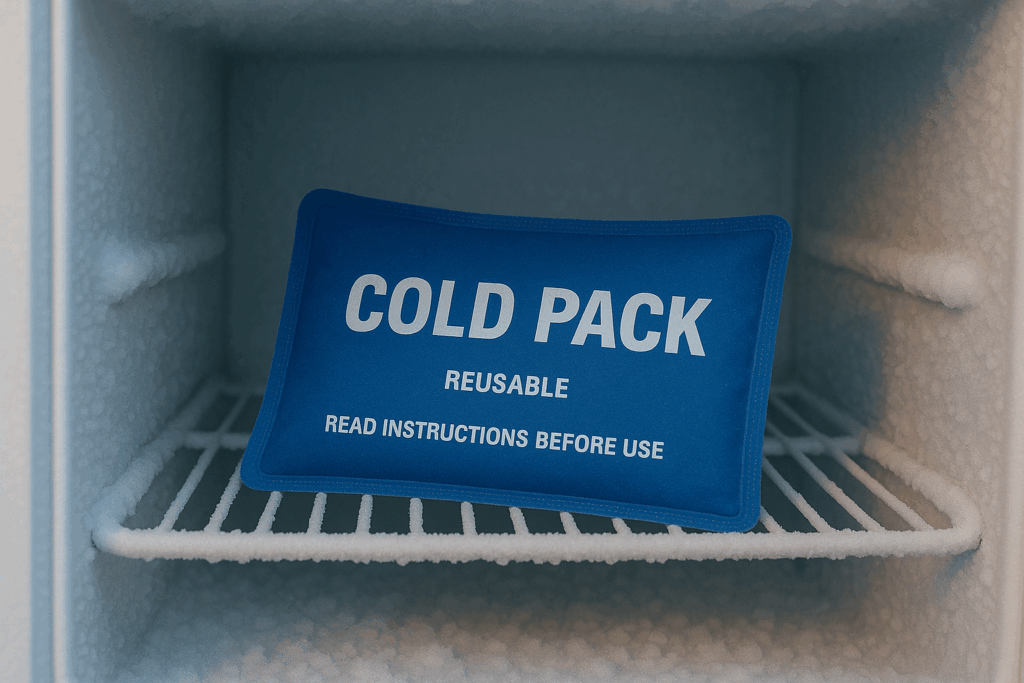
Store the gel pack in the freezer for at least 2 hours prior to use to become very cold, or always store it in the freezer so that it’s ready at all times. If you want a softer, slushier cold pack (less intense cold), occasionally inspect the pack and remove it from the freezer at the point where it is partially frozen (the gel will have a semi-solid feel to it). If needed, wrap the cold pack in a thin towel to cover your skin before application.
-
For Heat Therapy (Microwave Method)
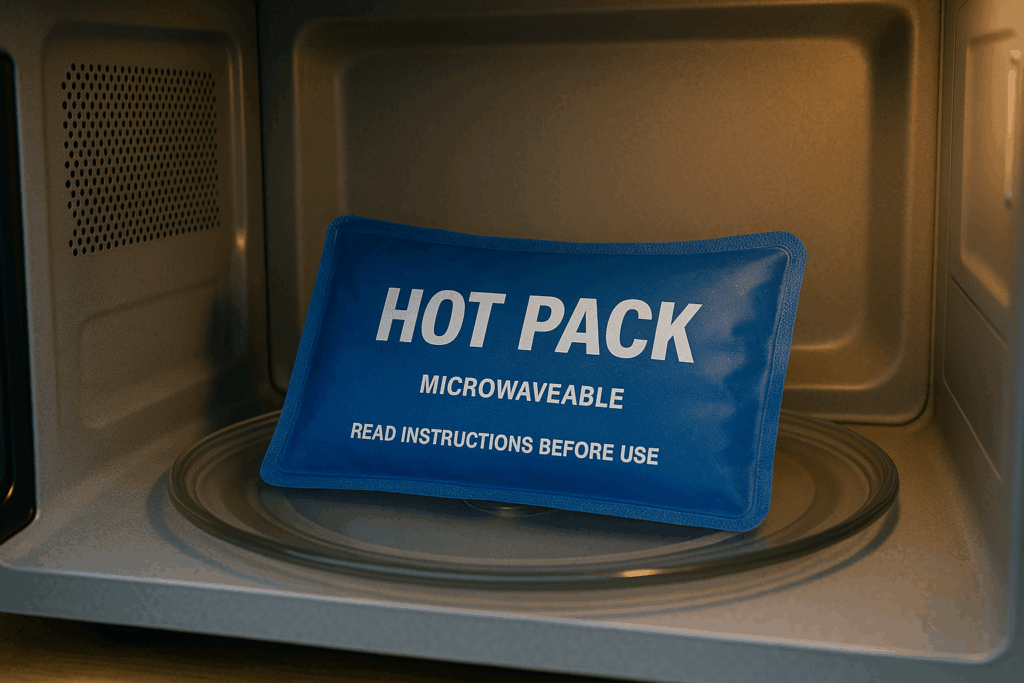
- Heat for 20 seconds: Lay the gel pack flat in the microwave. For ~600 watts power, heat it for about 20 seconds.
- Remove and check: With an oven mitt or cloth (the pack will be hot!), take it out and gently knead the gel. Check the temperature with caution; remember, the edges might feel hotter than the center because the gel redistributes.
- Heat in 10-20 second bursts: If it isn’t warm enough, put the pack back in and heat for another 10 to 20 seconds. Never heat for a long stretch in one go. It’s safer to warm it gradually and evenly.
- Repeat and ready: Repeat the kneading and careful checking after every burst until it reaches a temperature desired for you. Always wrap a hot pack in a cloth prior to placing it on your skin to avoid burns. If you do not have a microwave, you can heat some packs by submerging them in hot water; in such cases, follow the guidelines of your product.
Once your pack is cold or hot, apply it to the affected area for about 15 minutes at a time. You can hold it in place or use a light compression wrap if convenient. The pack will stay effective for roughly 20–30 minutes before it gradually returns to room temperature. If you need more therapy, give your skin a break for at least an hour before reapplying. Unlike single-use instant ice packs, gel packs are completely reusable – you can refreeze or reheat them repeatedly, which reduces waste and cost over time. Just make sure to inspect the pack for leaks or damage periodically and discard it if the pouch is torn.
Alternatives to Hot and Cold Packs
Reusable gel packs are multi-purpose, but there are other convenient products for cold or heat application. Here are a few other options you might want to consider:
-
Reusable Ice Bag
This is the classic fabric ice bag with a wide opening in which you place ice cubes or crushed ice. It’s a simple, portable option often found in first aid kits. The cloth material conforms nicely to body curves. The downside is you need access to ice, and it can get wet as the ice melts (so wrap it in a towel to catch drips).
-
Heat Therapy Spray
Sprays (frequently sold as “deep heat” sprays) contain ingredients that create the sensation of warmth on the skin. You just spritz these on hard-to-reach or larger areas for quick relief. A heat spray is useful for covering broad areas like your back or hips where a hot pack might stay on with difficulty. The warmth kicks in within seconds. However, this is more superficial and not as long-lasting or as deeply penetrating as a heated gel pack for deep muscle pain.
-
Instant Cold Spray
The common name for this is “freeze spray.” This is an aerosol that cools the skin immediately when you spray it on. Athletes commonly use it on the field for instantaneous pain relief on a strain or bruise. It is very portable, and you do not have to refrigerate it-just spray it right where it hurts. Remember, the cooling effect is temporary and primarily superficial; it is good in a pinch but will not reduce swelling as long as an ice pack left on for minutes.
-
Topical Heat Rubs (Creams or Gels)
These are lotions, creams, or gels-usually containing menthol or capsaicin-that, through friction from rubbing, heat the area. A quintessential product for a sore back is muscle rub. By massaging this type of heat rub into an achy joint or muscle, it helps increase blood flow and offers an extended, soothing sense of warmth in those areas, which can be very comforting. This method is suitable for ongoing therapy throughout the day, though some may find the smell too pungent or the tingling sensation too strong. Always remember to wash your hands after applying the heat rub in order to avoid getting it in your eyes or on sensitive skin.
-
Cooling Bandages or Wraps
These are fabric bandages pre-soaked in a special cooling solution (often an alcohol-based evaporative liquid). You wrap them around an injured limb like an ankle, wrist, or knee. The evaporation of the solution draws heat out, providing a gentle cooling effect and compression at the same time. Cooling bandages are popular in sports medicine for reducing swelling; they also stay in place better than balancing a gel pack on a moving body part. Some brands let you “recharge” the bandage by applying more cooling liquid to extend the cooling period. This can be a neat alternative if you need to be mobile while icing an injury.
Each of these alternatives has its own niche, but in general, they complement the traditional hot/cold gel pack. Depending on the situation, whether you’re at home, the gym, or outdoors, you can choose the most convenient form of temperature therapy to get relief. Just remember the same safety principles: protect your skin, especially from extreme cold or heat with a barrier; limit application time; and follow product instructions. Properly using temperature therapy can make a big difference in the healing of injuries and soothing everyday aches.